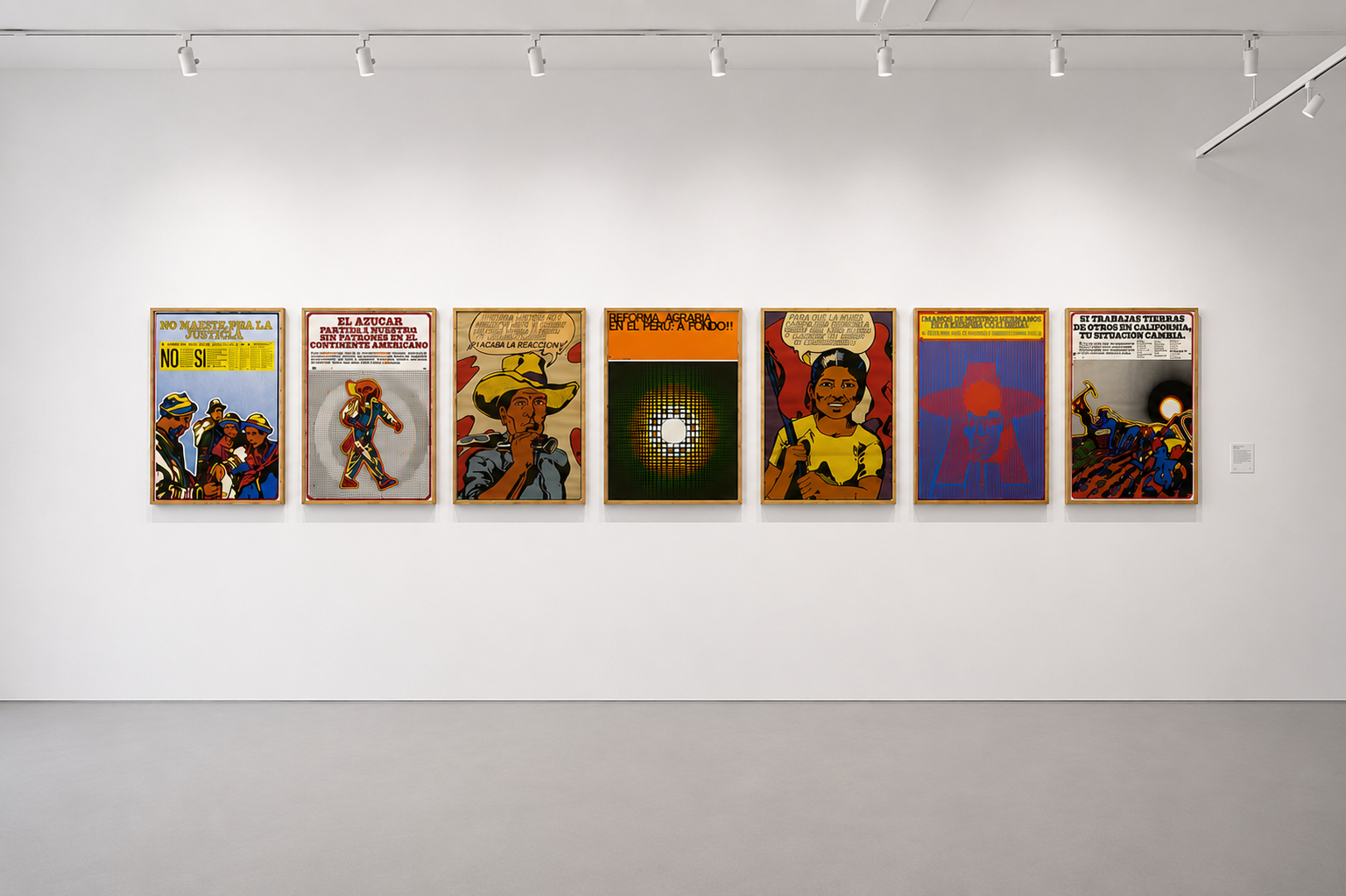
Is a visual artist, graphic designer, and cultural pioneer renowned for creating the iconic visual language of the Peruvian Agrarian Reform (1968–1973). Trained in art and cinema in Peru and Europe, he developed a practice that weaves together modernist aesthetics, Andean traditions, and popular visual culture. His bold offset posters—blending elements of pop art, constructivism, and indigenous motifs—became powerful symbols of social transformation, turning political communication into an enduring visual heritage.
Ruiz Durand’s practice has consistently balanced avant-garde experimentation with social commitment. Beyond his posters—Reforma Agraria, ¡Jatariy!, and Tierra Sin Patrones among the most emblematic—he has worked as a painter, teacher, and cultural promoter, exploring the intersections of art, technology, philosophy, and society. His oeuvre spans kinetic works, multimedia experiments, political painting, and graphic design, all infused with a poetic attention to both form and meaning.
Over the decades, he has participated in major exhibitions that secured his place within the global art discourse. His works are held in leading institutional collections such as the Art Institute of Chicago (USA), Cooper Hewitt, Smithsonian Design Museum (USA), Fundación Cartier (France), Museo Reina Sofía (Spain), and Museo de Arte Moderno de Buenos Aires (MALBA, Argentina). Ruiz Durand stands as one of the most influential Latin American artists of the twentieth and twenty-first centuries, embodying the power of art to transform collective imagination and cultural memory.
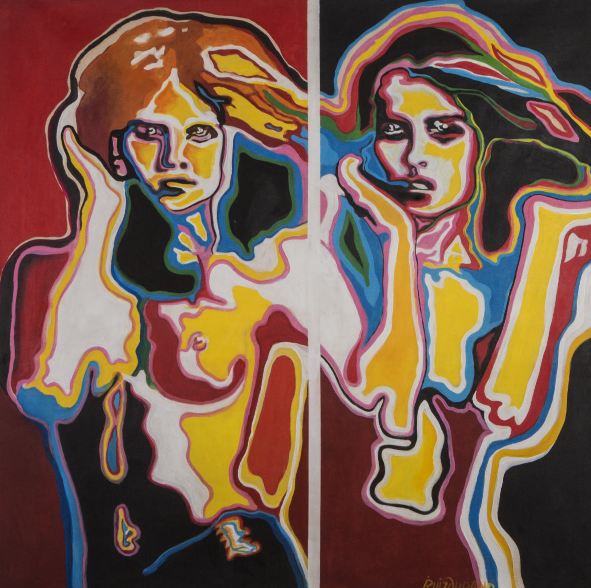
Miss Kommune, 1968 – 1973
Acrylic on canvas
59.06 x 59.06 in (150 x 150 cm)
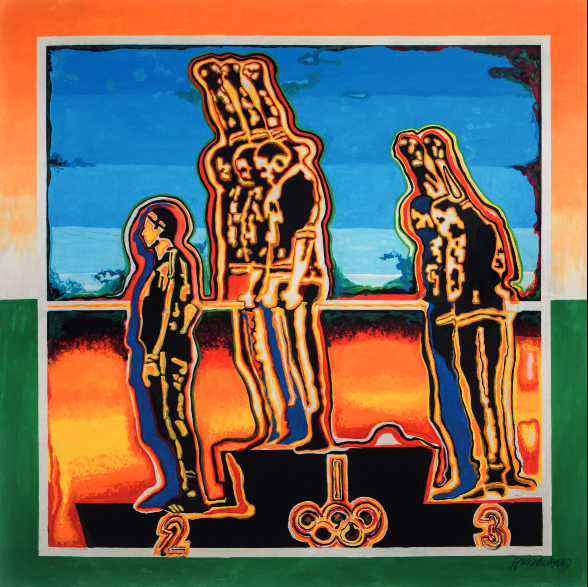
Black Power on the Olimpics in México 68, 1968 – 1973
Acrylic on canvas
47.24 x 47.24 in (120 x 120 cm)
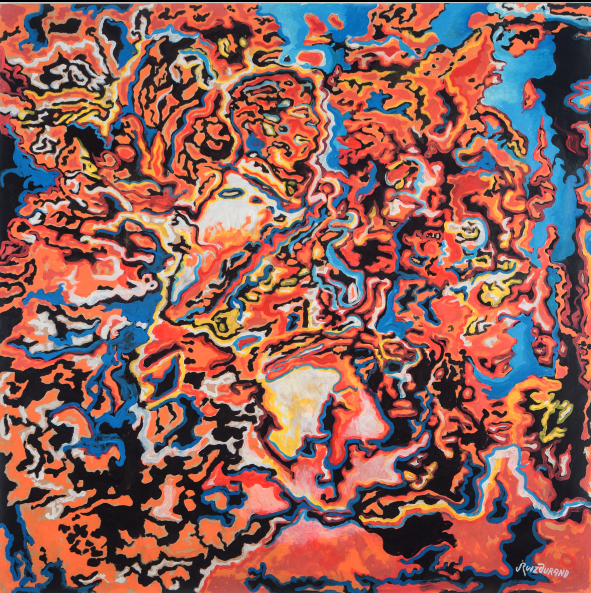
The Burning Bonze, 1968 – 1973
Acrylic on canvas
47.24 x 47.24 in (120 x 120 cm)
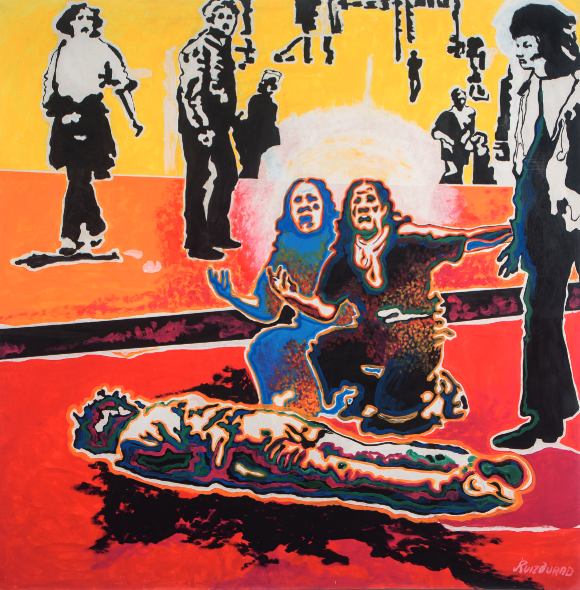
Massacre at Kent State, 1968 – 1973
Acrylic on canvas
59.06 x 59.06 in (150 x 150 cm)
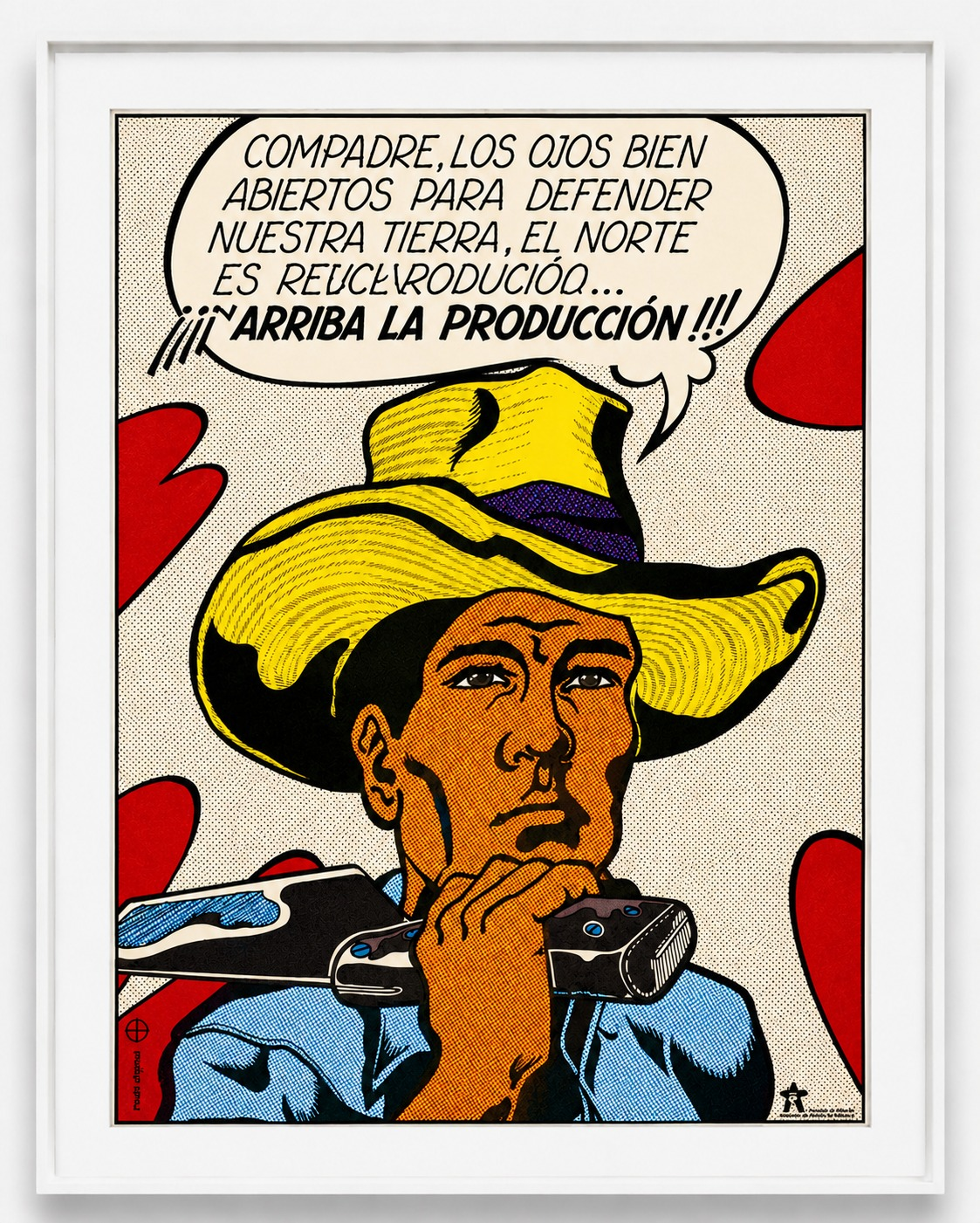
Los ojos bien abiertos /Eyes wide open, 1968 – 1973
Vintage poster of the Peruvian Agrarian Reform
Offset print on paper
27.56 x 39.37 in (100 x 70 cm)
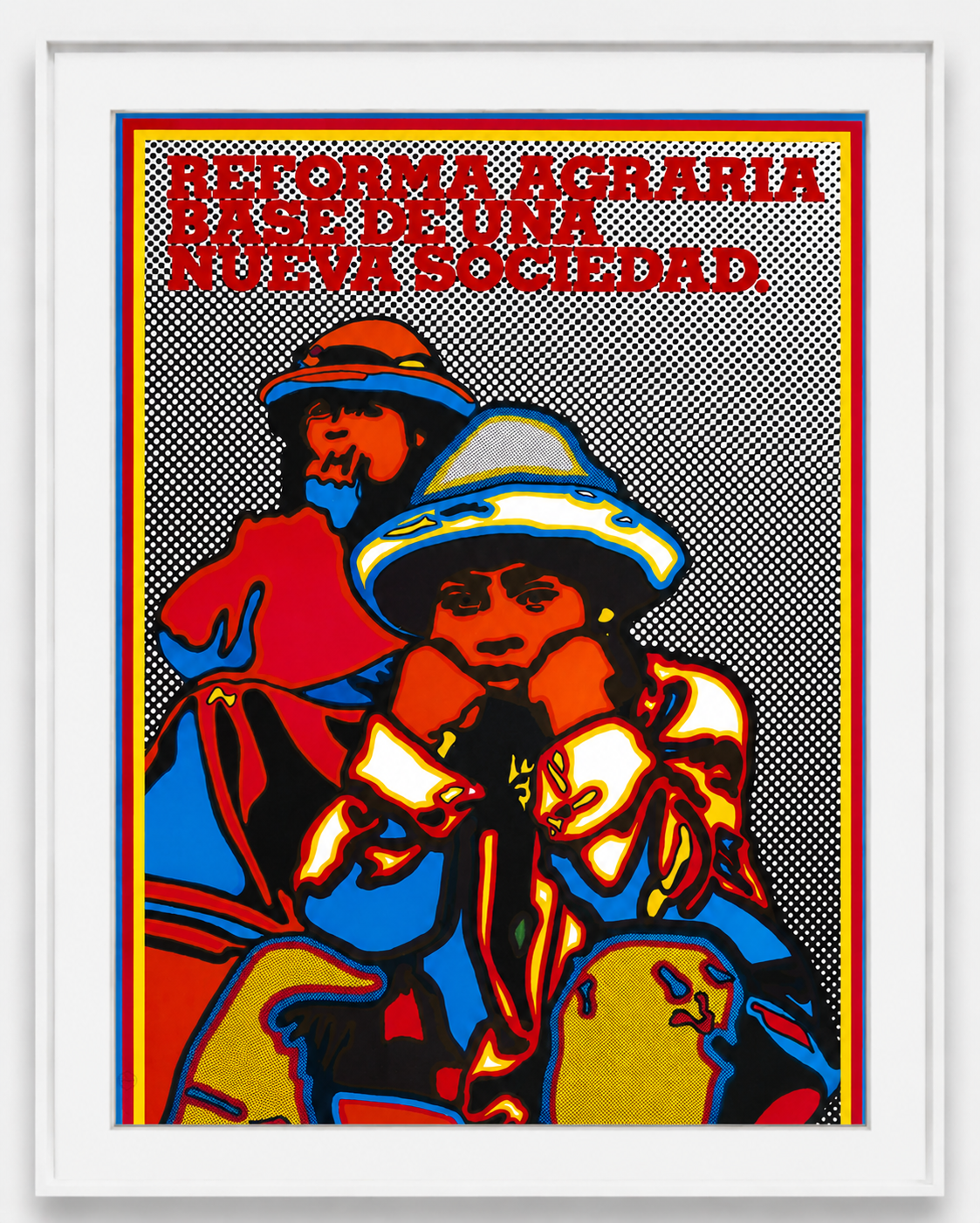
Nueva Sociedad/ New Society , 1968 – 1973
Vintage poster of the Peruvian Agrarian Reform
Offset print on paper
27.56 x 39.37 in (100 x 70 cm)
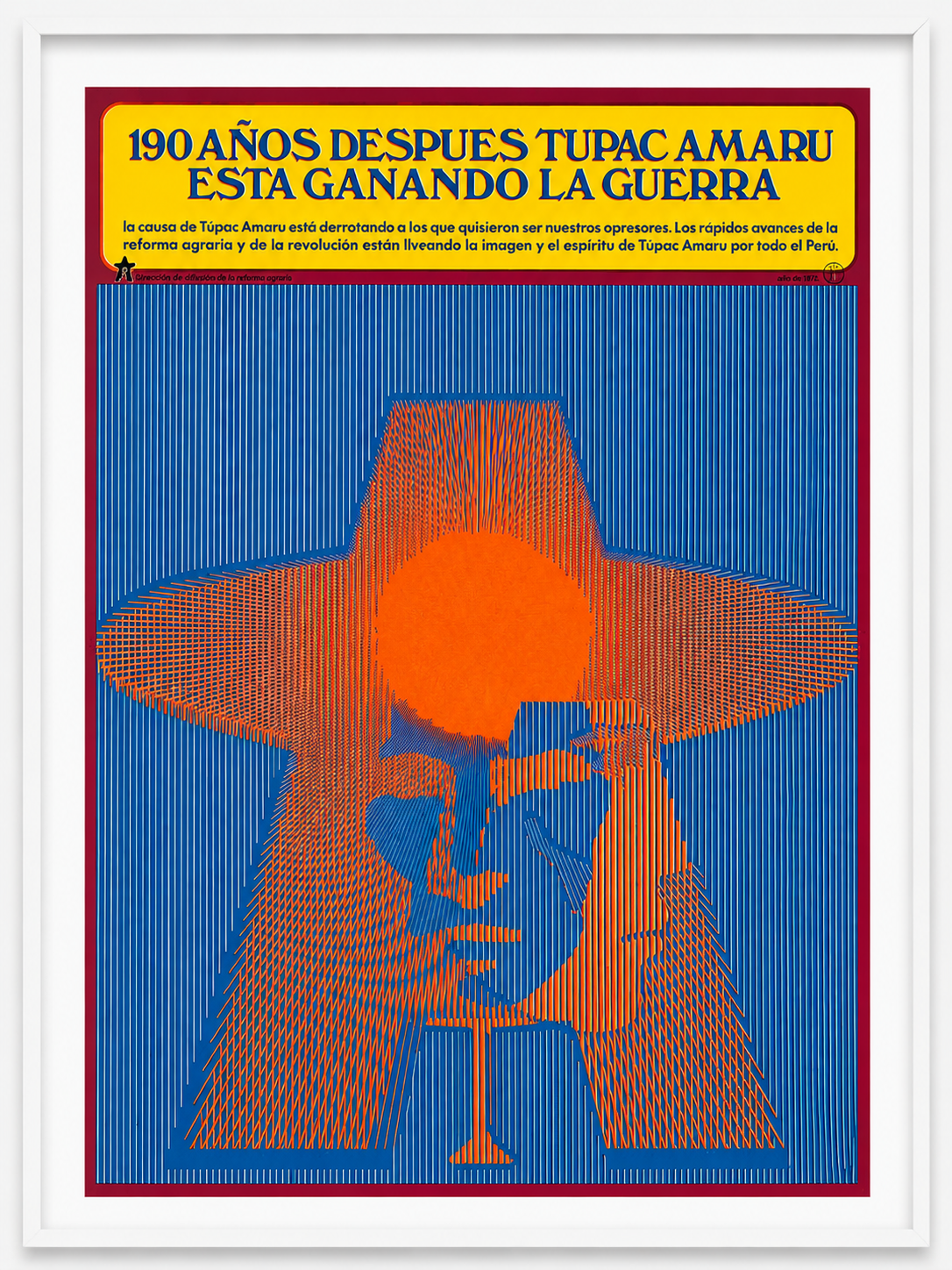
190 Años Después II/ 190 Years Later 1968 – 1973
Vintage poster of the Peruvian Agrarian Reform
Offset print on paper
27.56 x 39.37 in (100 x 70 cm)
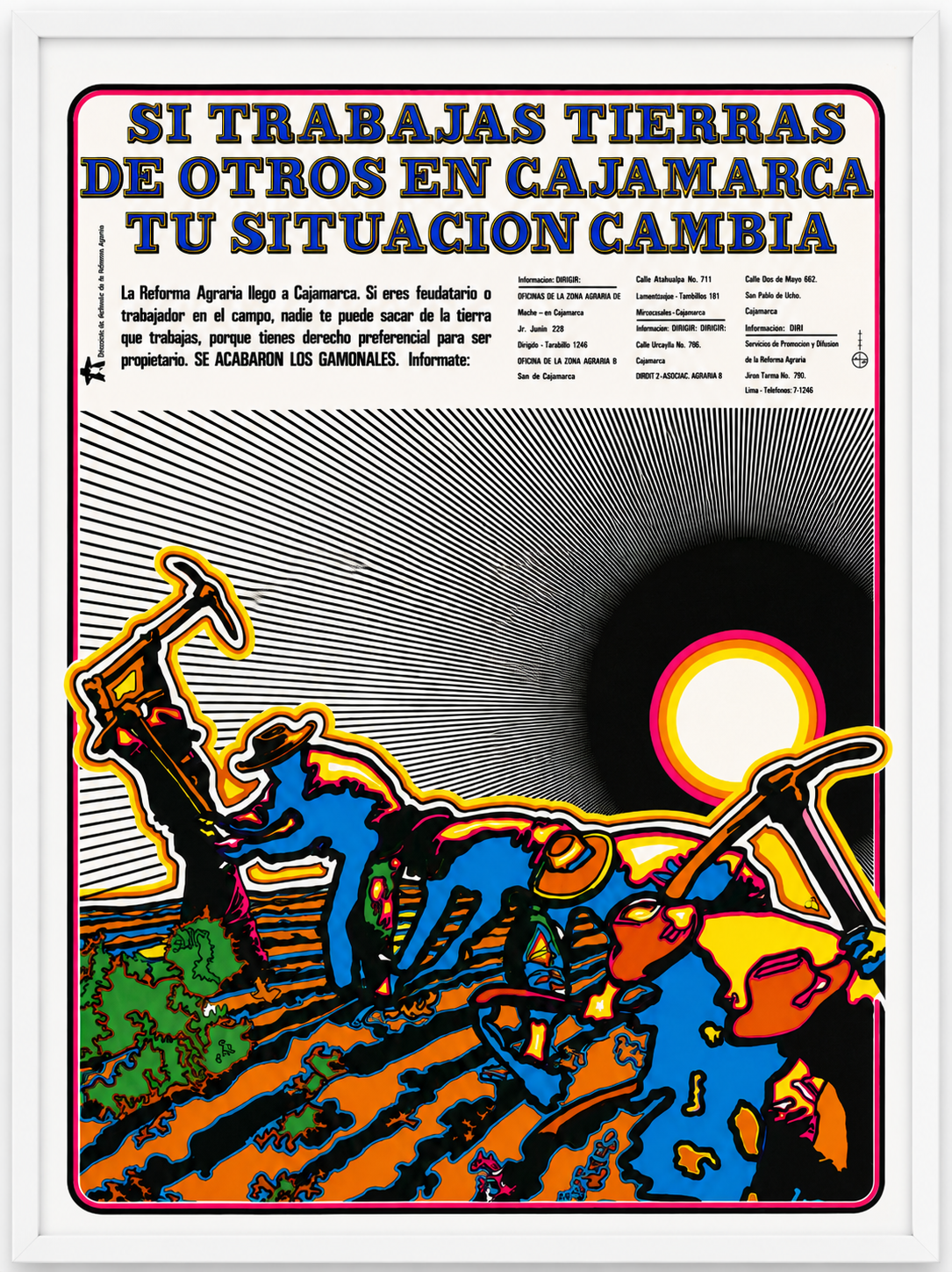
Si Trabajas Tierras De Otros / If you work land belonging to others, 1968 – 1973
Vintage poster of the Peruvian Agrarian Reform
Offset print on paper
27.56 x 39.37 in (100 x 70 cm)
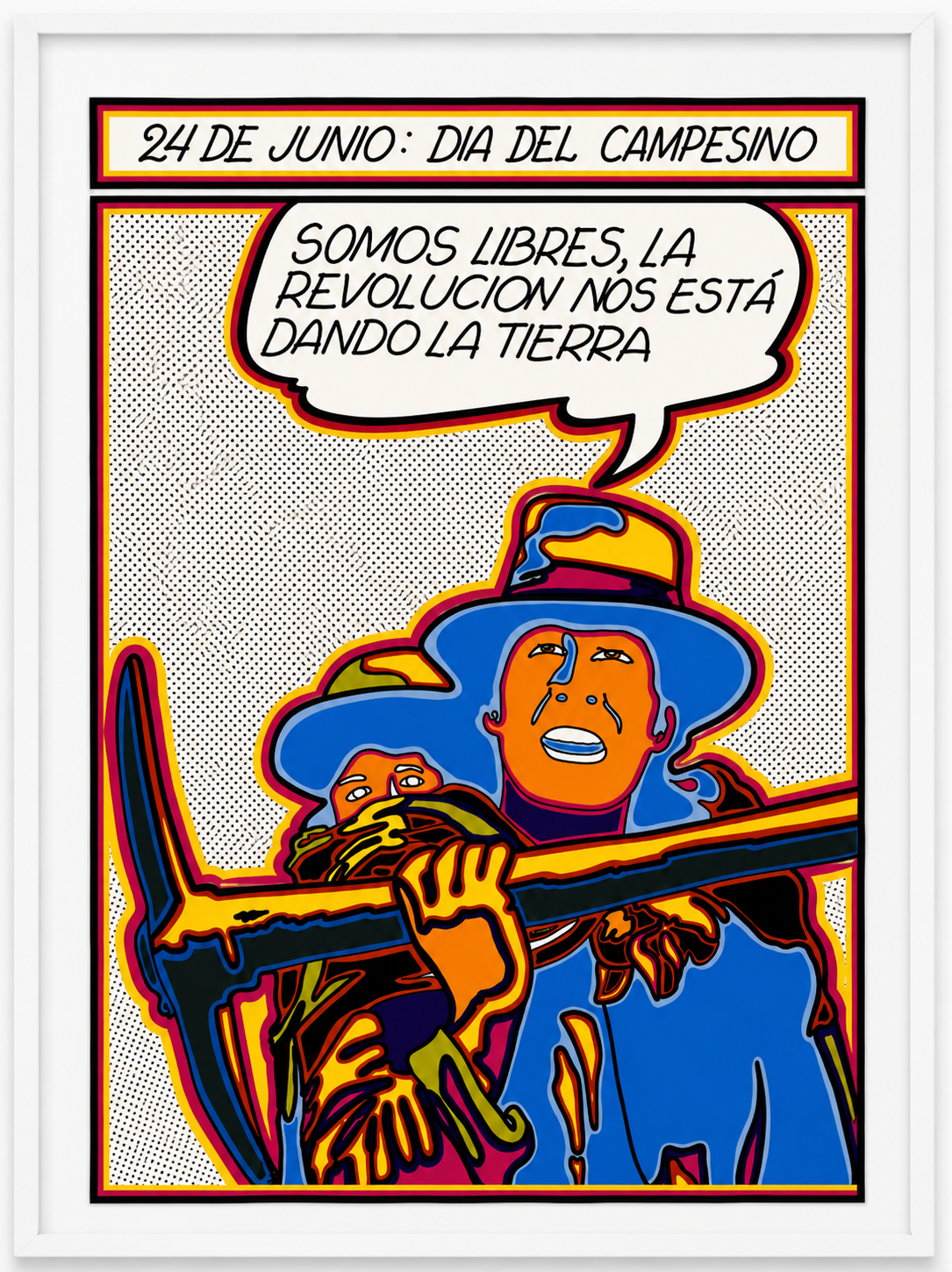
Día del campesino / Farmers Day, 1968 – 1973
Vintage poster of the Peruvian Agrarian Reform
Offset print on paper
27.56 x 39.37 in (100 x 70 cm)
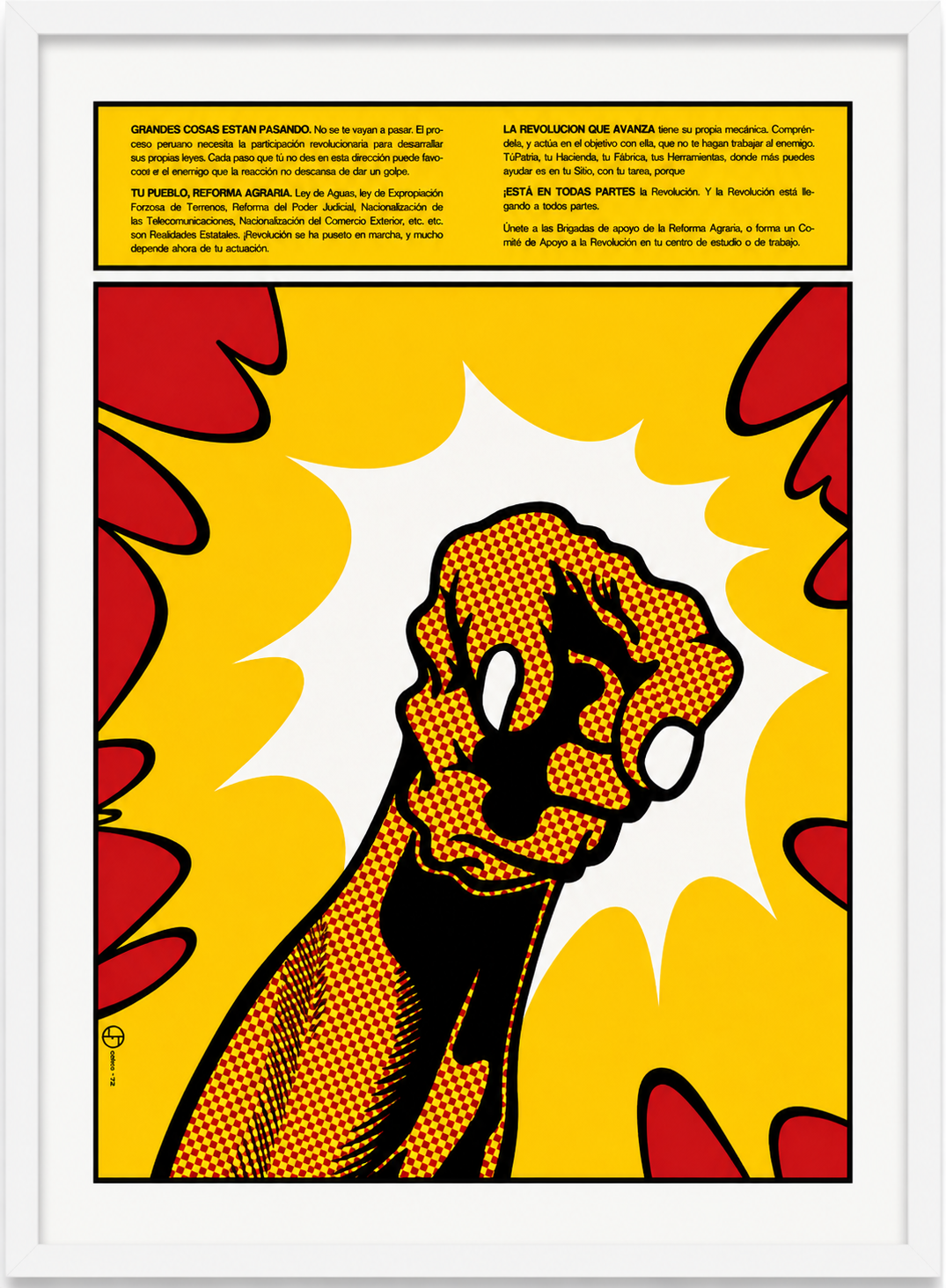
Grandes Cosas Están Pasando / Big Things Are Happening, 1968 – 1973
Vintage poster of the Peruvian Agrarian Reform
Offset print on paper
27.56 x 39.37 in (100 x 70 cm)
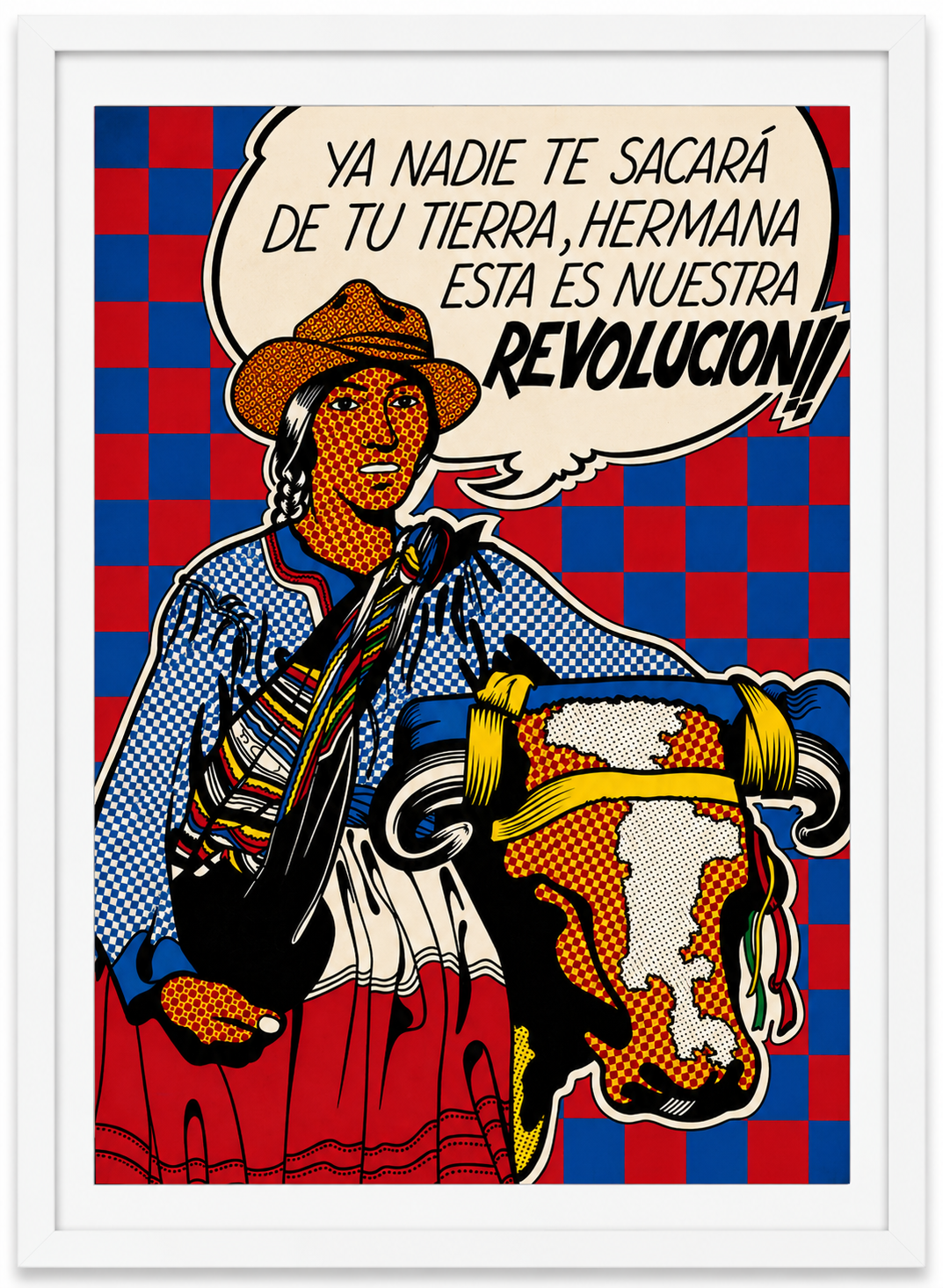
Revolución/ Revolution, 1968 – 1973
Vintage poster of the Peruvian Agrarian Reform
Offset print on paper
27.56 x 39.37 in (100 x 70 cm)
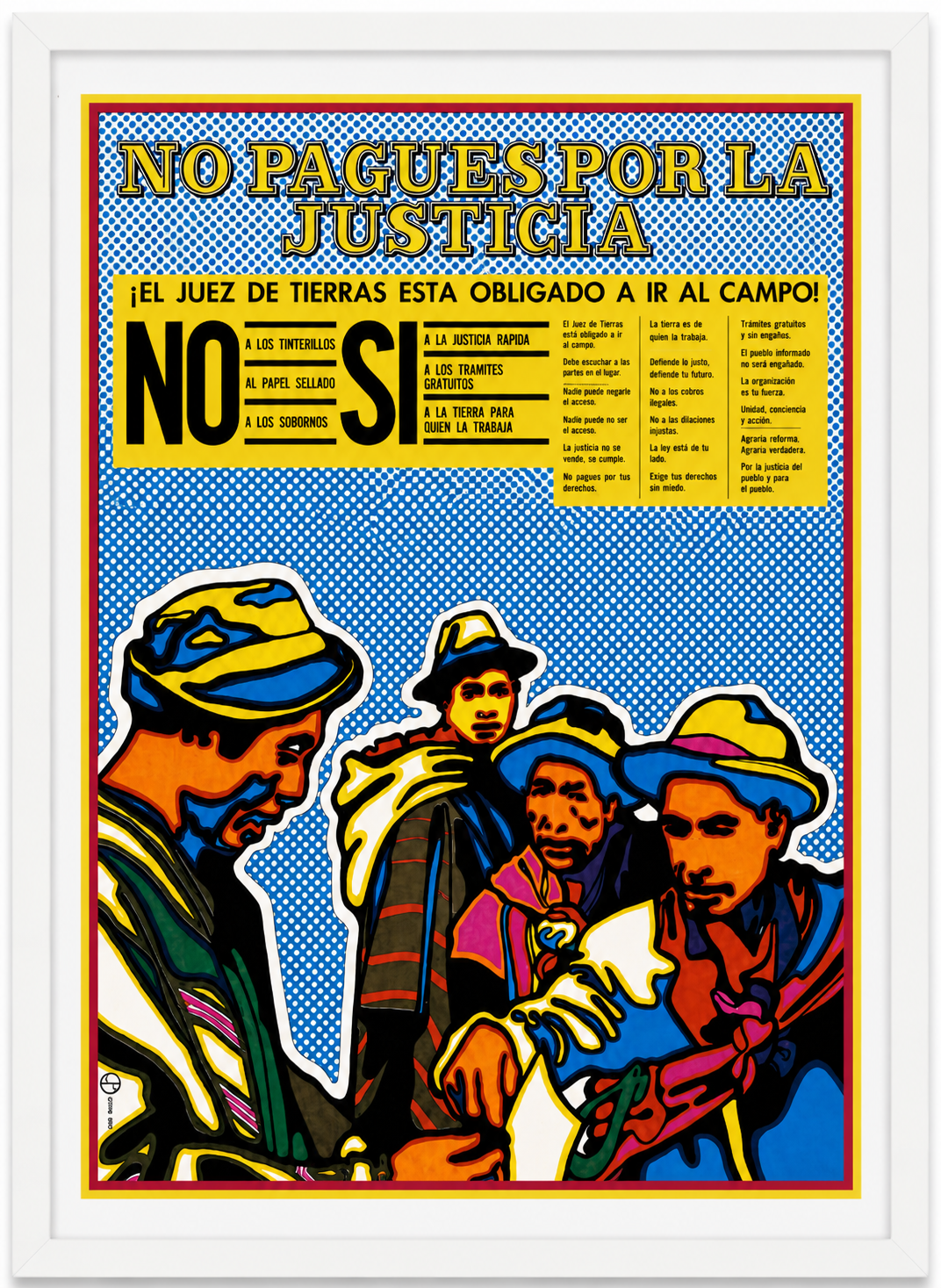
No Pagues Por La Justicia / don’t Pay For Justice, 1968 – 1973
Vintage poster of the Peruvian Agrarian Reform
Offset print on paper
27.56 x 39.37 in (100 x 70 cm)
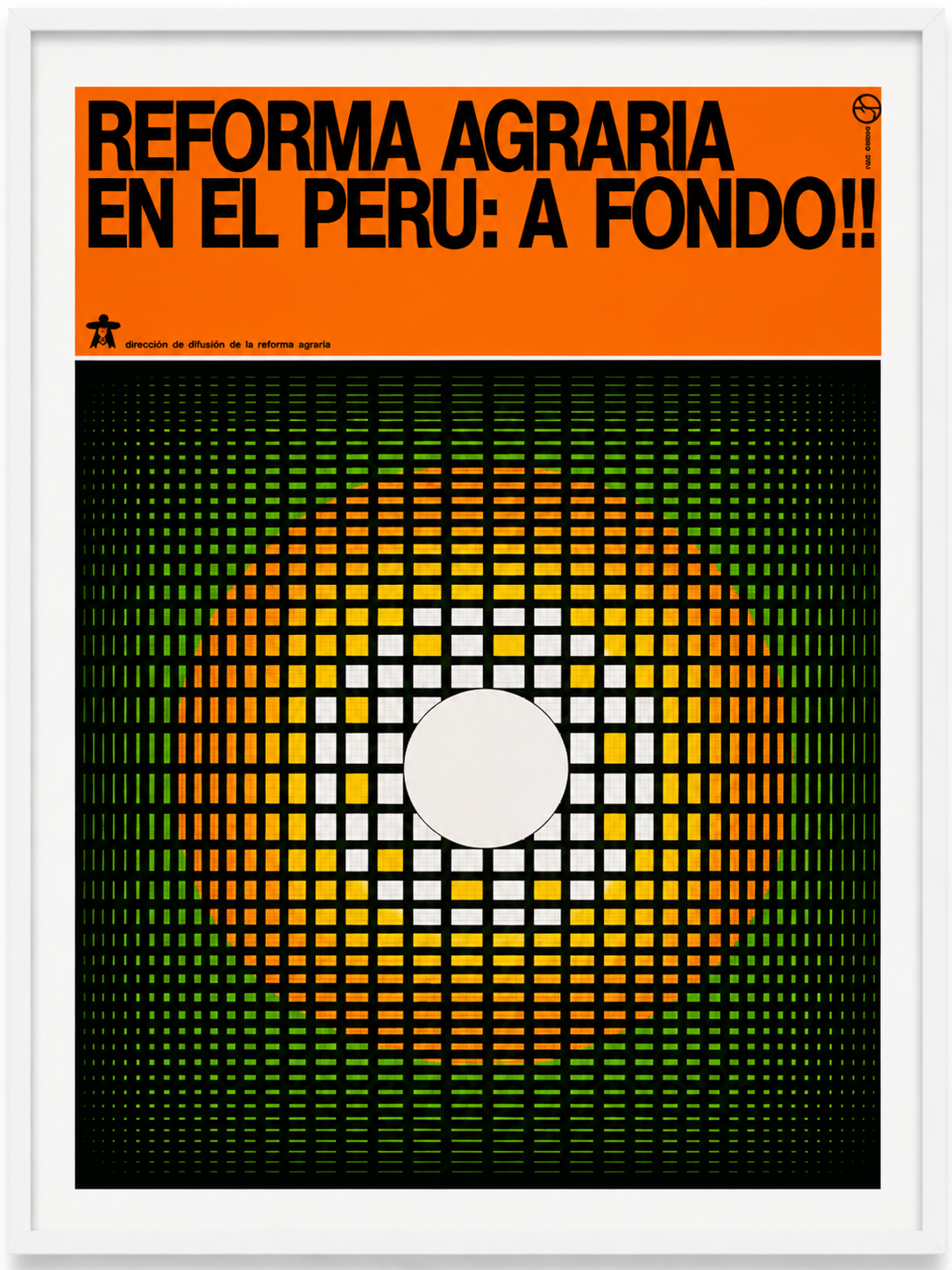
A Fondo!! / Thoroughly!! , 1968 – 1973
Vintage poster of the Peruvian Agrarian Reform
Offset print on paper
27.56 x 39.37 in (100 x 70 cm)
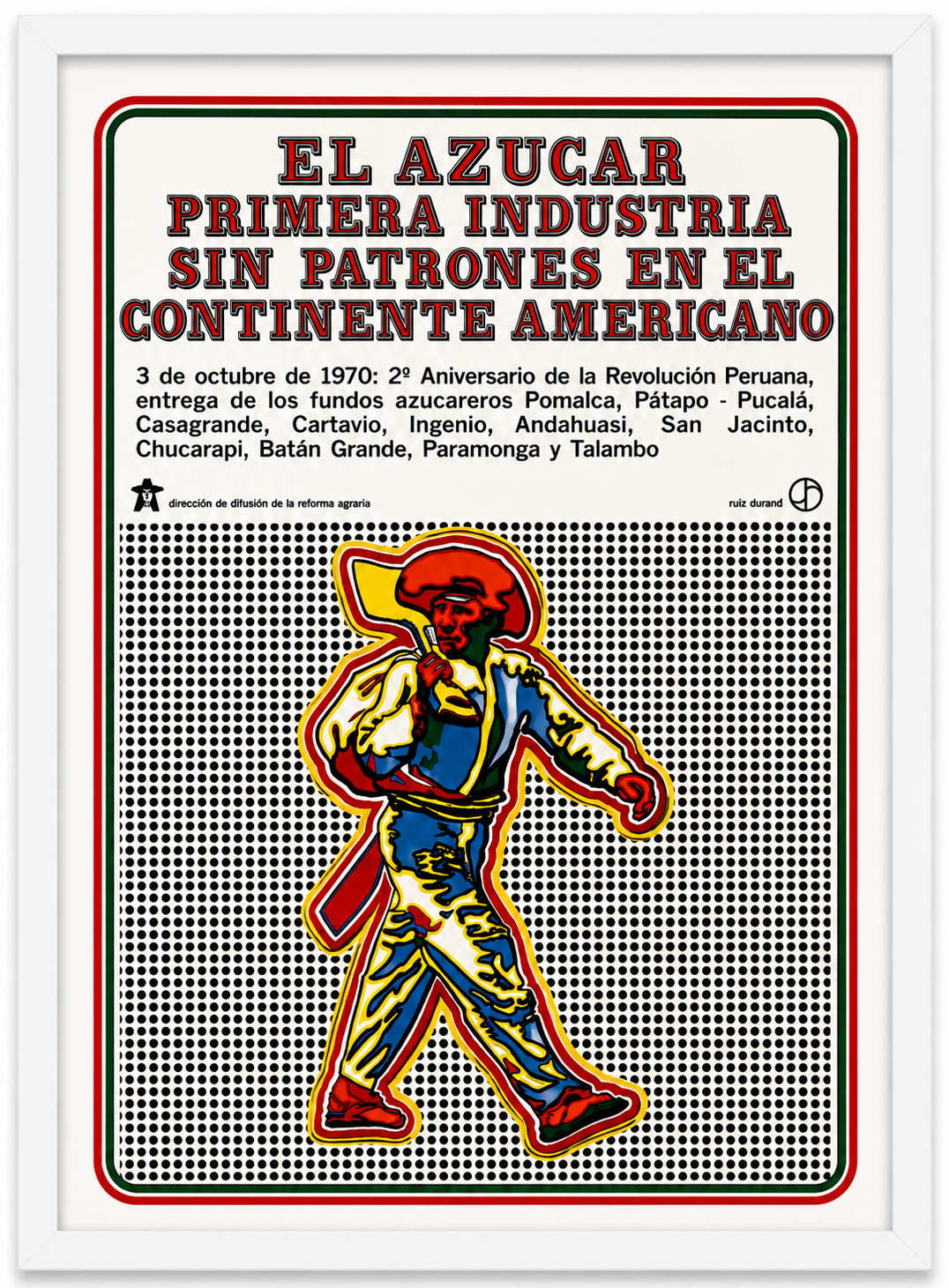
El Azúcar/ The Sugar, 1968 – 1973
Vintage poster of the Peruvian Agrarian Reform
Offset print on paper
27.56 x 39.37 in (100 x 70 cm)
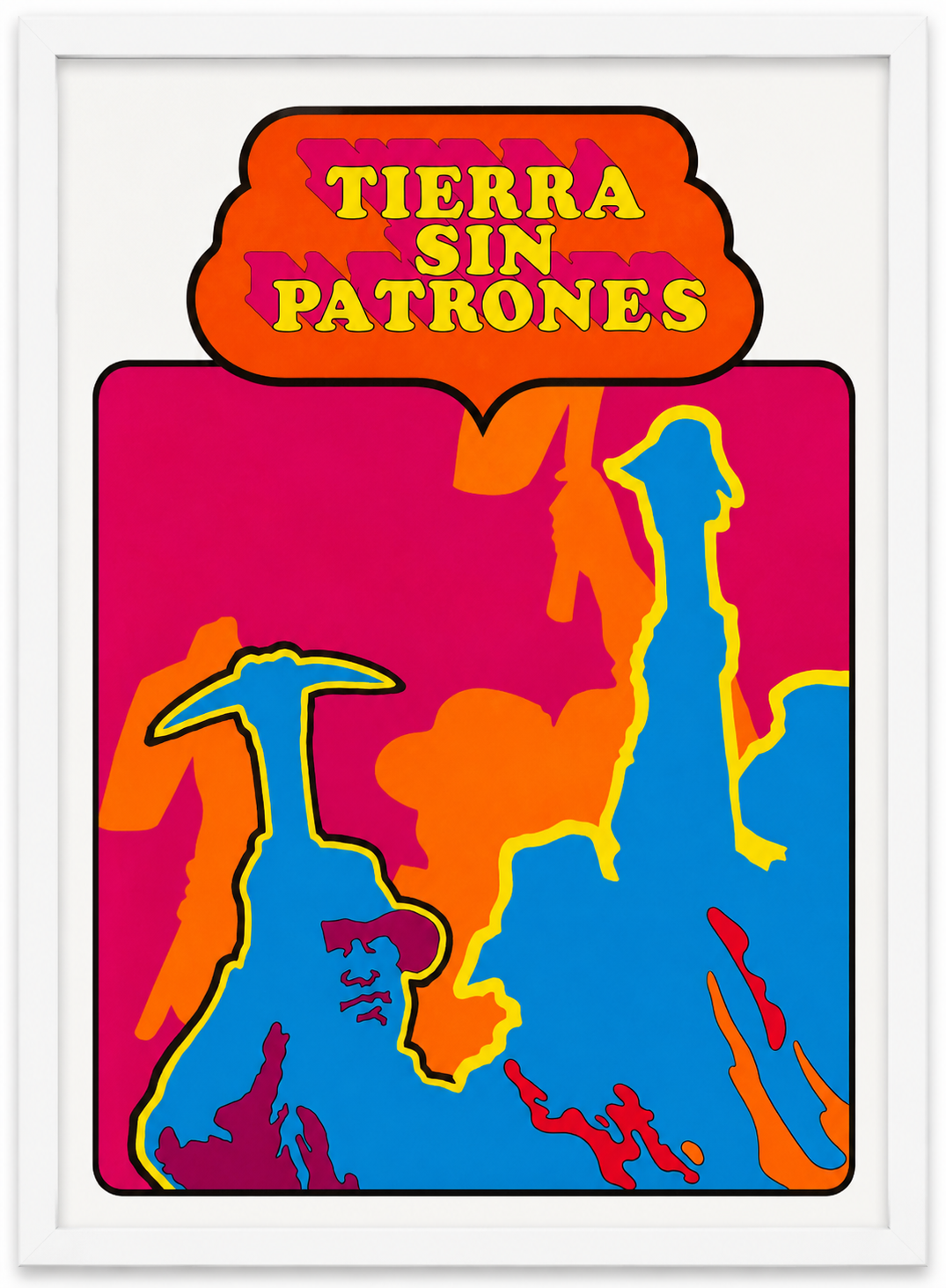
Tierra sin patrones / Land Without Patterns, 1968 – 1973
Vintage poster of the Peruvian Agrarian Reform
Offset print on paper
27.56 x 39.37 in (100 x 70 cm)
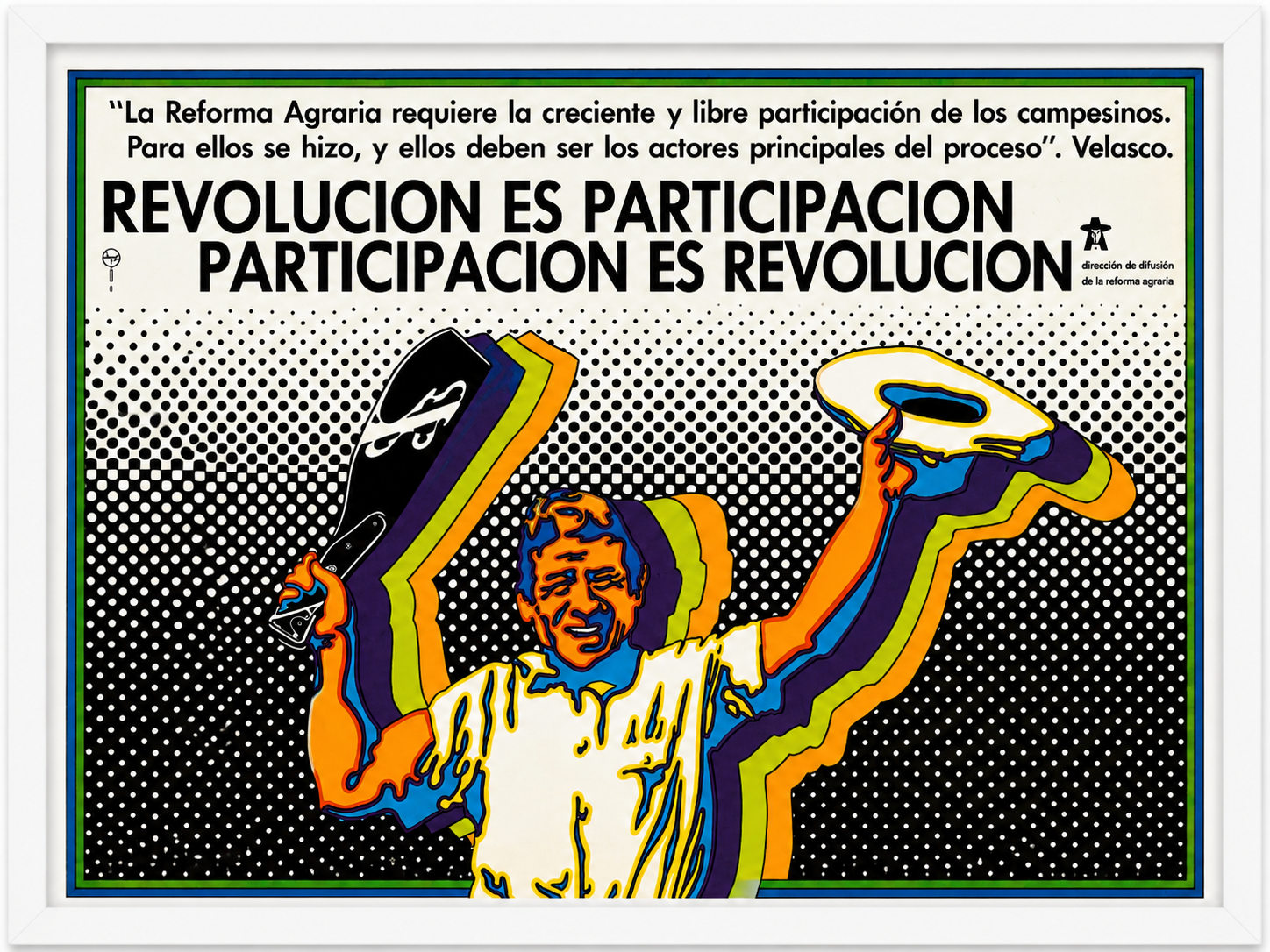
Revolución es Participación/ Revolution is Participation, 1968 – 1973
Vintage poster of the Peruvian Agrarian Reform
Offset print on paper
27.56 x 39.37 in (100 x 70 cm)
Vintage poster of the Peruvian Agrarian Reform
installation Shoot, Revolver Galería NYC
Works from this series are included in the collections of Cooper Hewitt, Smithsonian Design Museum (New York), The New York Public Library (New York), The Museum of Modern Art (MoMA), New York, the Art Institute of Chicago (Chicago), Museo Nacional Centro de Arte Reina Sofía (Madrid), Museo de Arte de Lima MALI (Lima), and MALBA Museo de Arte Latinoamericano de Buenos Aires (Buenos Aires)
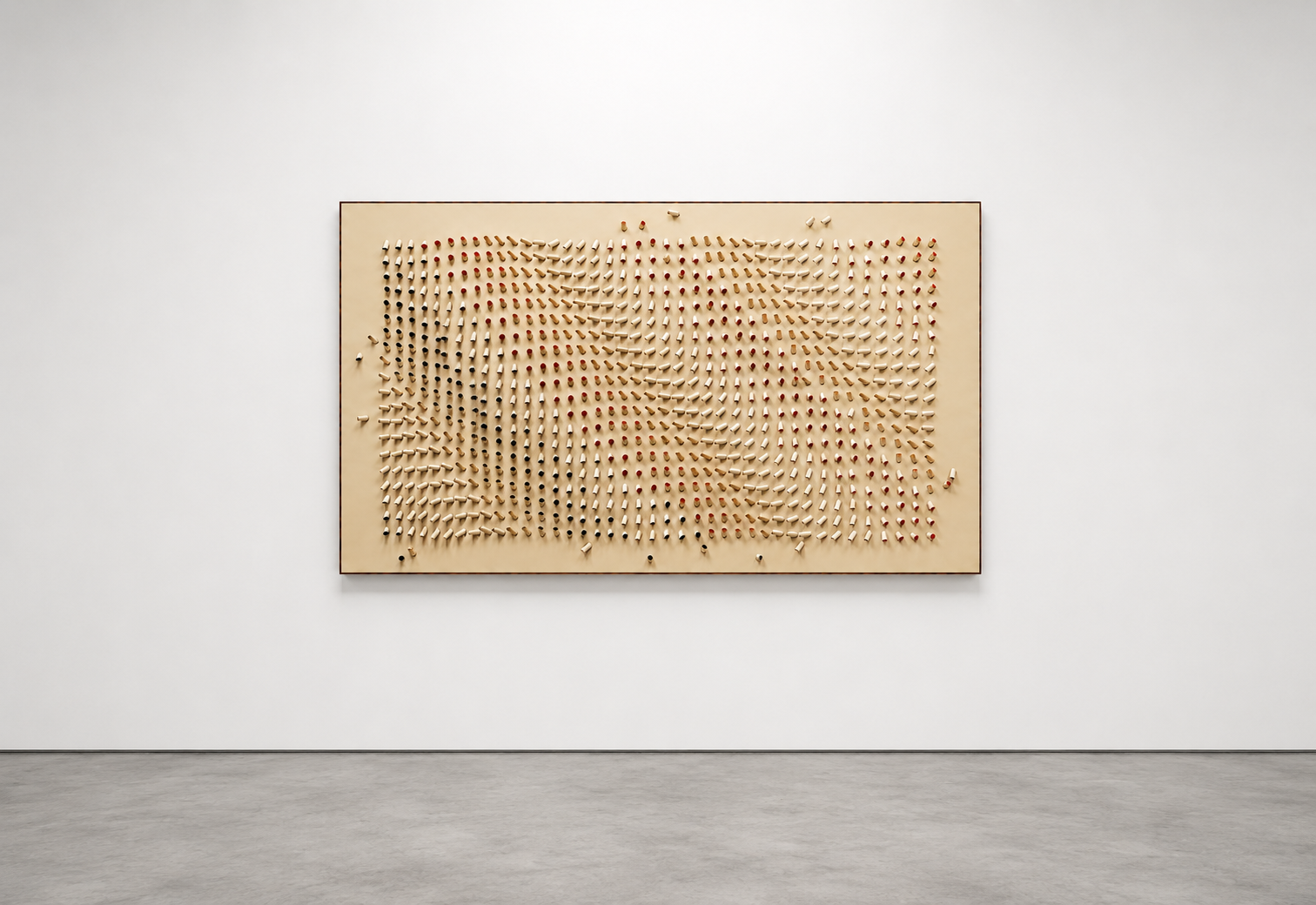
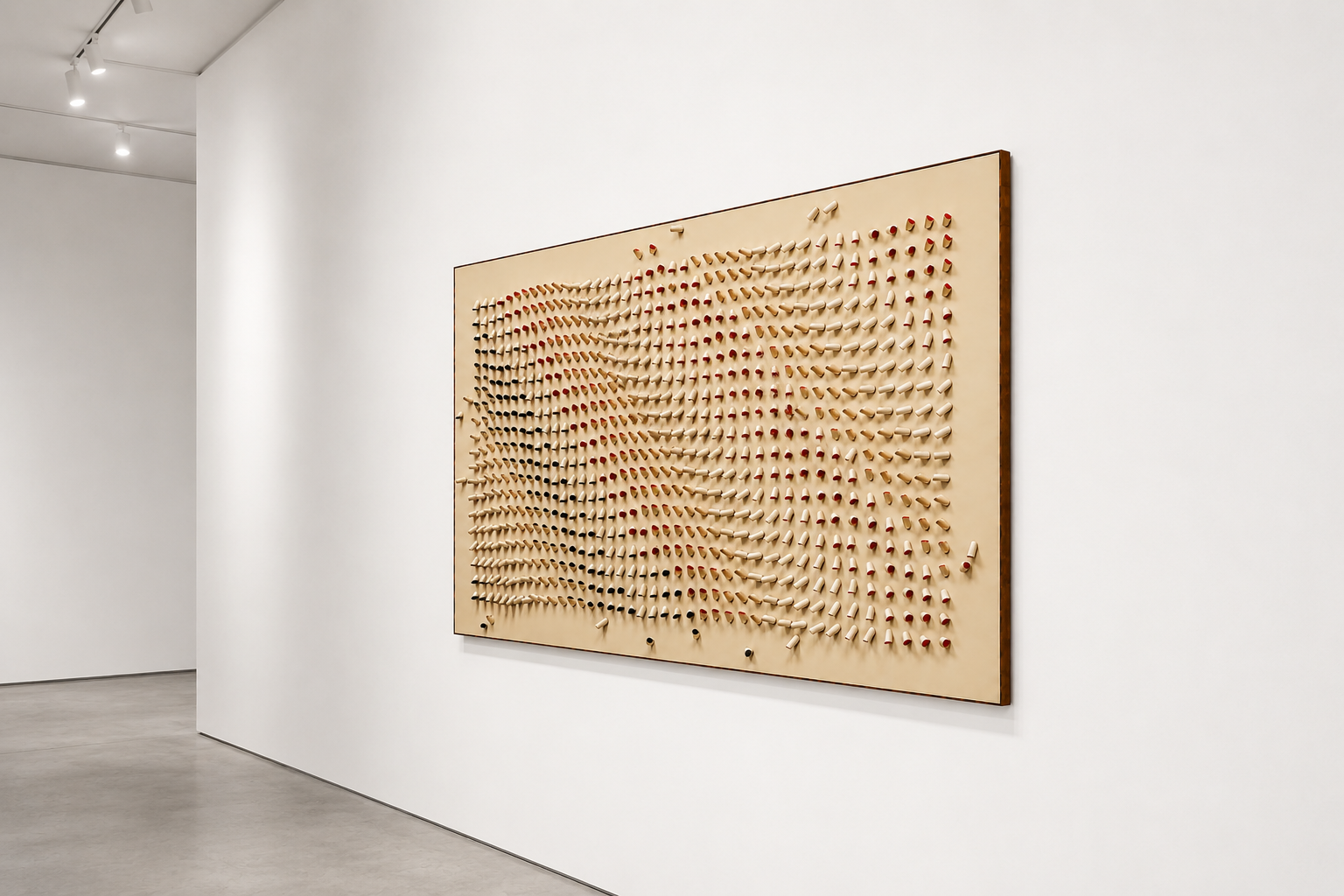
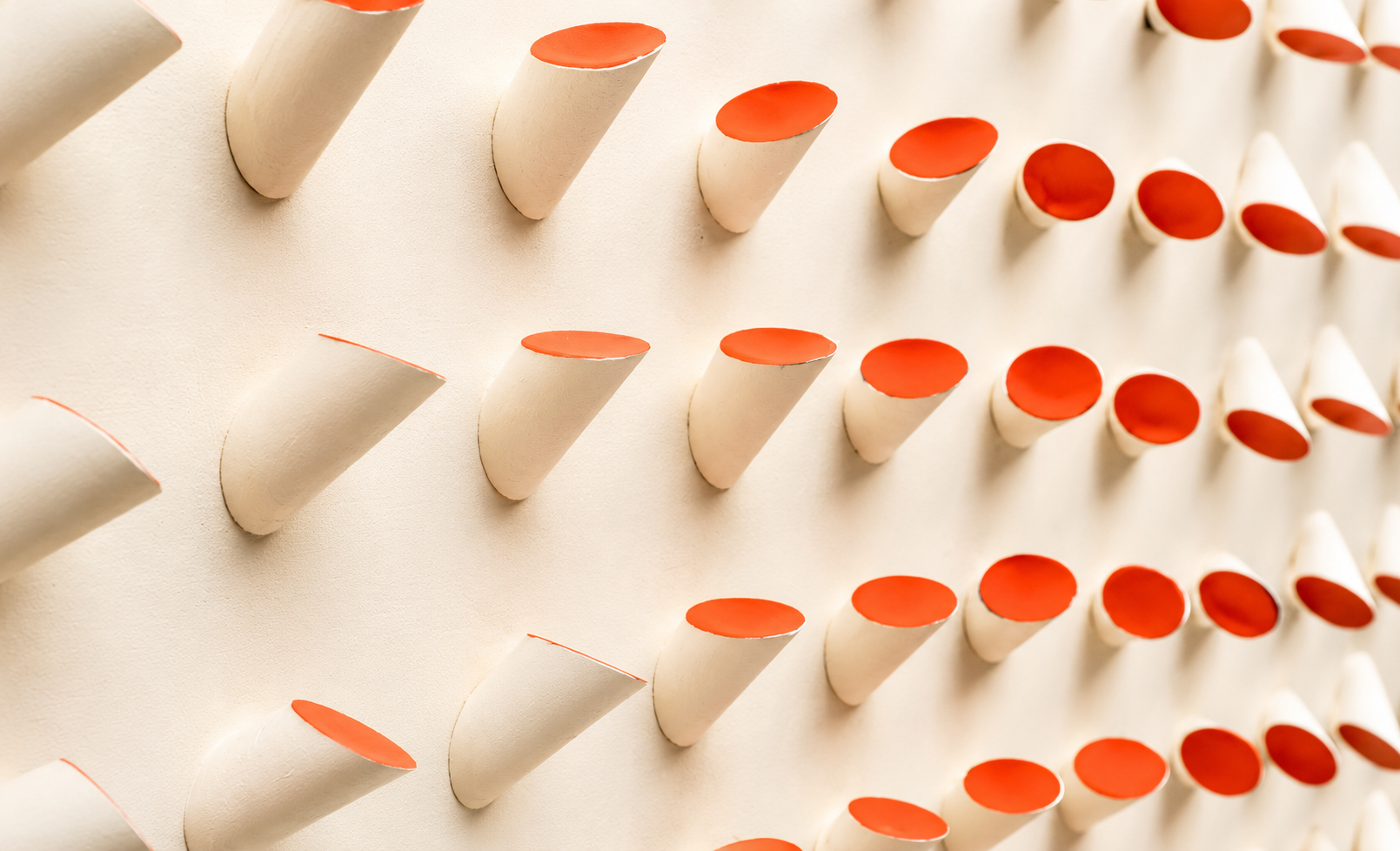
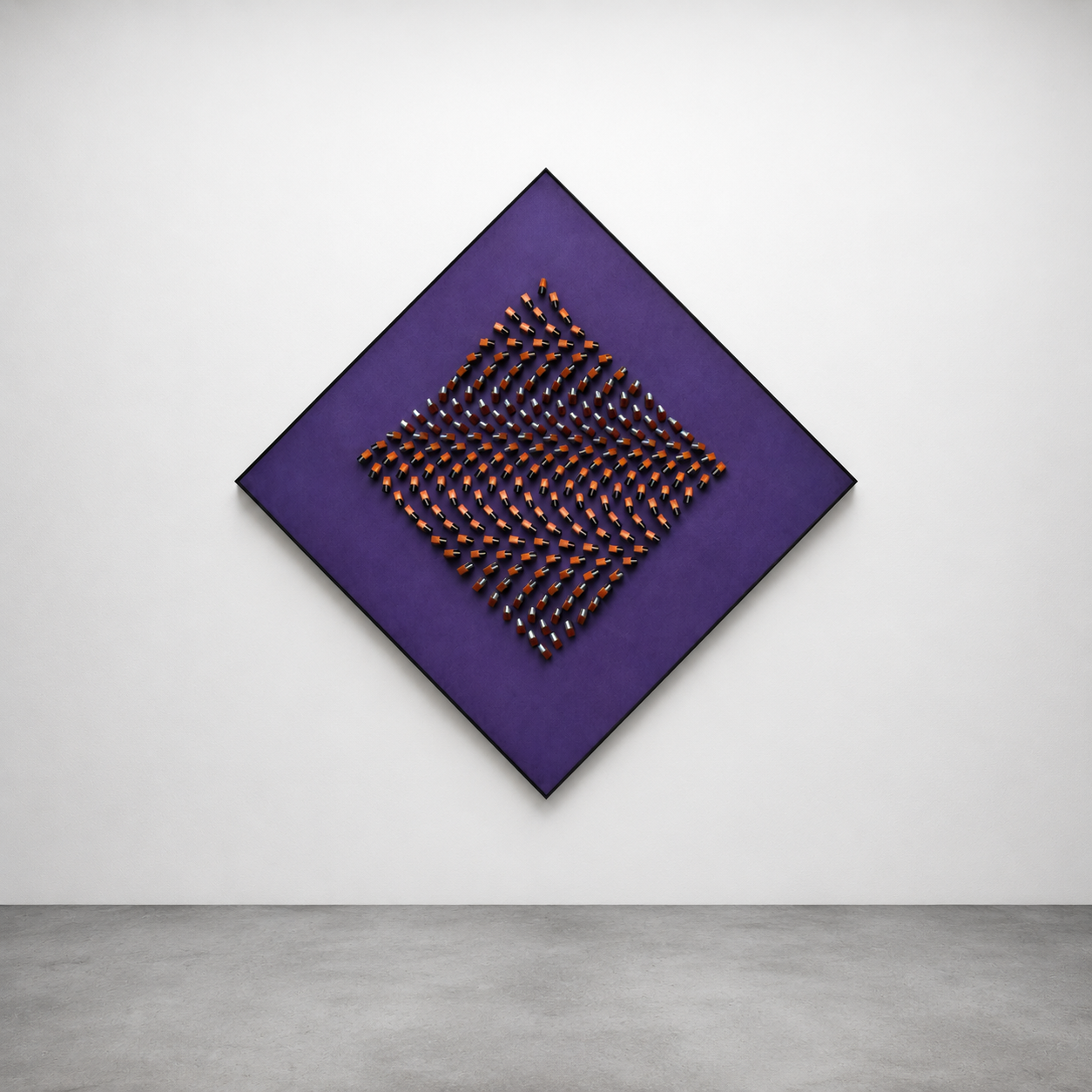
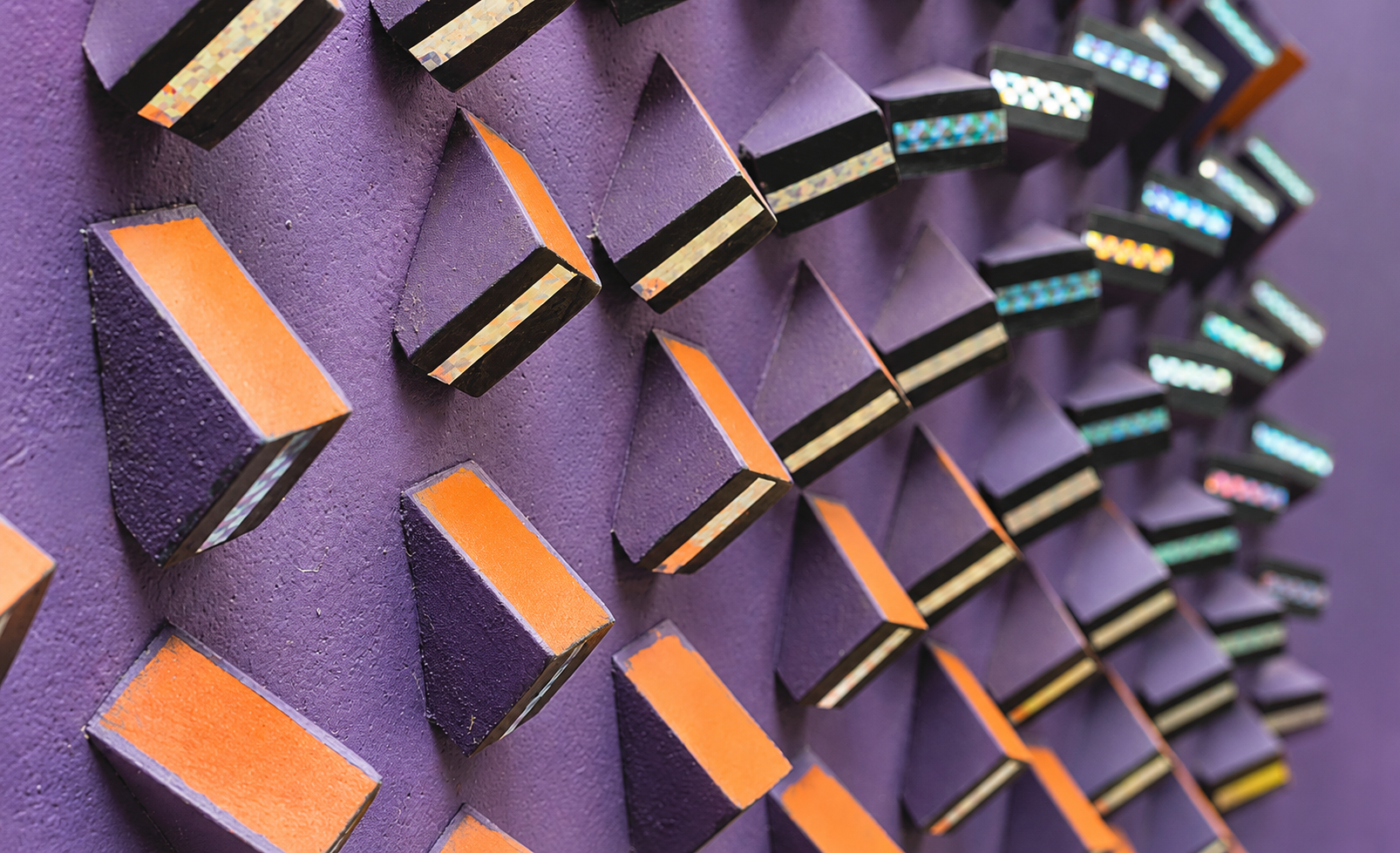
Binario Extens 01 (Entering the Rhythm), 1968
Mixed media, wood, plastic tubes, acrylic paint, Fibonacci numerical variations
78.7 × 41.7 × 2.8 in (200 × 106 × 7 cm )