Luis Enrique Zela-Koort (b. 1994) is an artist and researcher whose practice examines technological responses to forms of bias that are often presented as objective truth. Their work analyzes the ideological instrumentalization of science, mythology, and identity, integrating reflections on the interplay between abstract forces and the construction of gendered subjectivities.
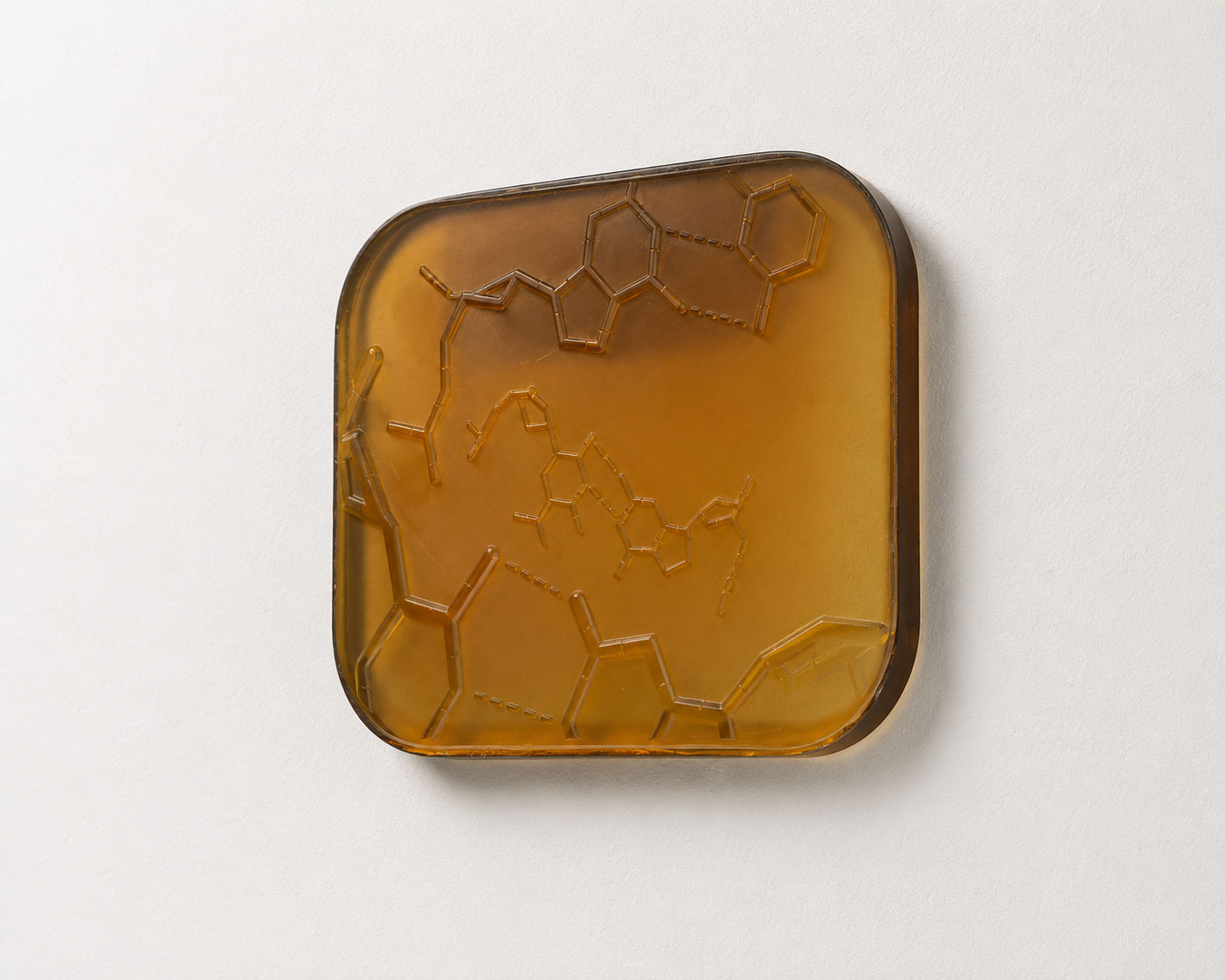
Through the articulation of digital tools and manual methods, Zela-Koort produces objects that embody actual or hypothetical processes as a way of conceptualizing possible worlds. Within these speculative frameworks, historical and hegemonic narratives are digested and reconfigured into meta-fictions—nonlinear reinterpretations of reality that question dominant epistemologies. In this context, the artist has explored the potential of theory-fiction as a strategy to escape binary modes of thought while critically examining modernity’s divisions between culture and nature.
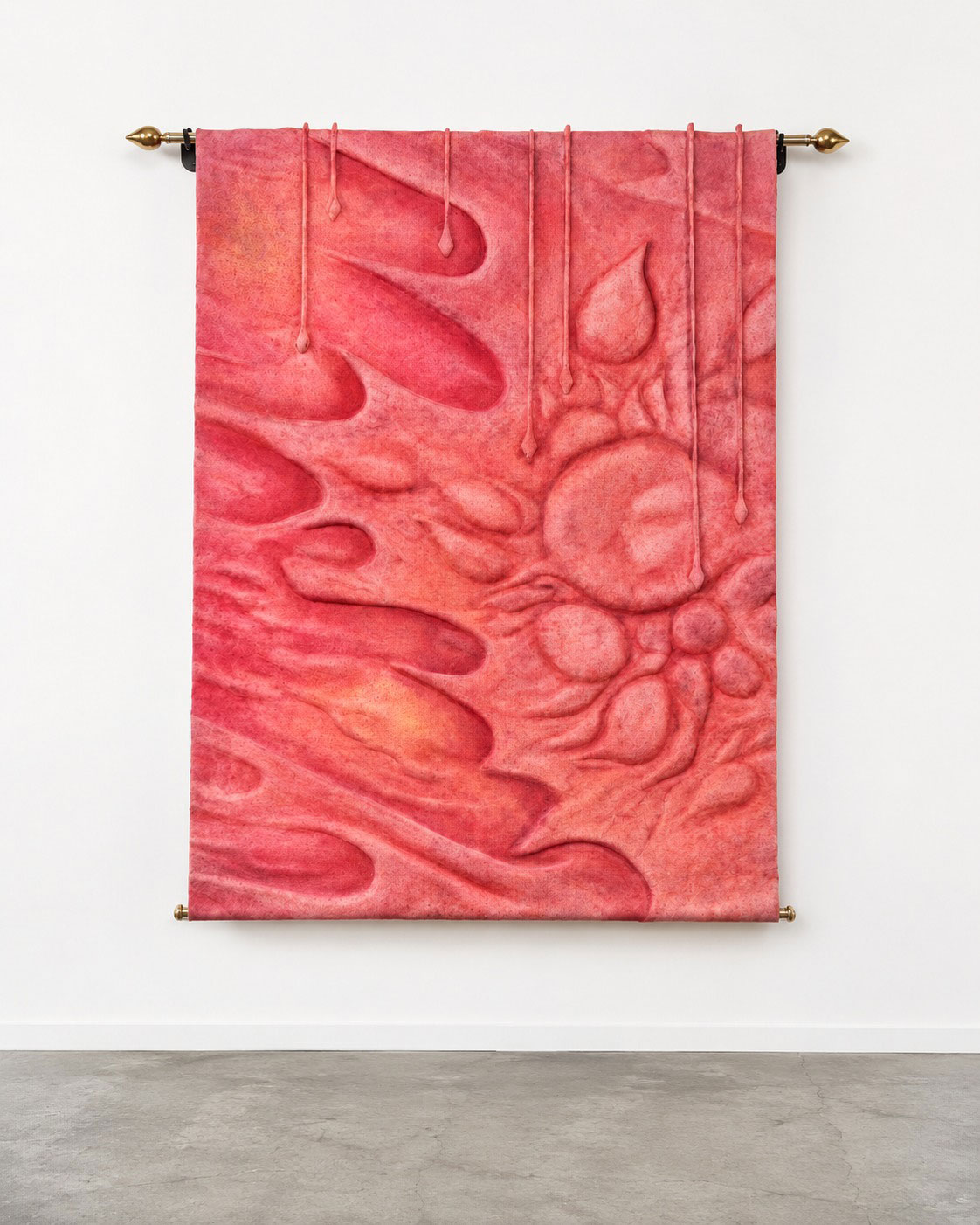
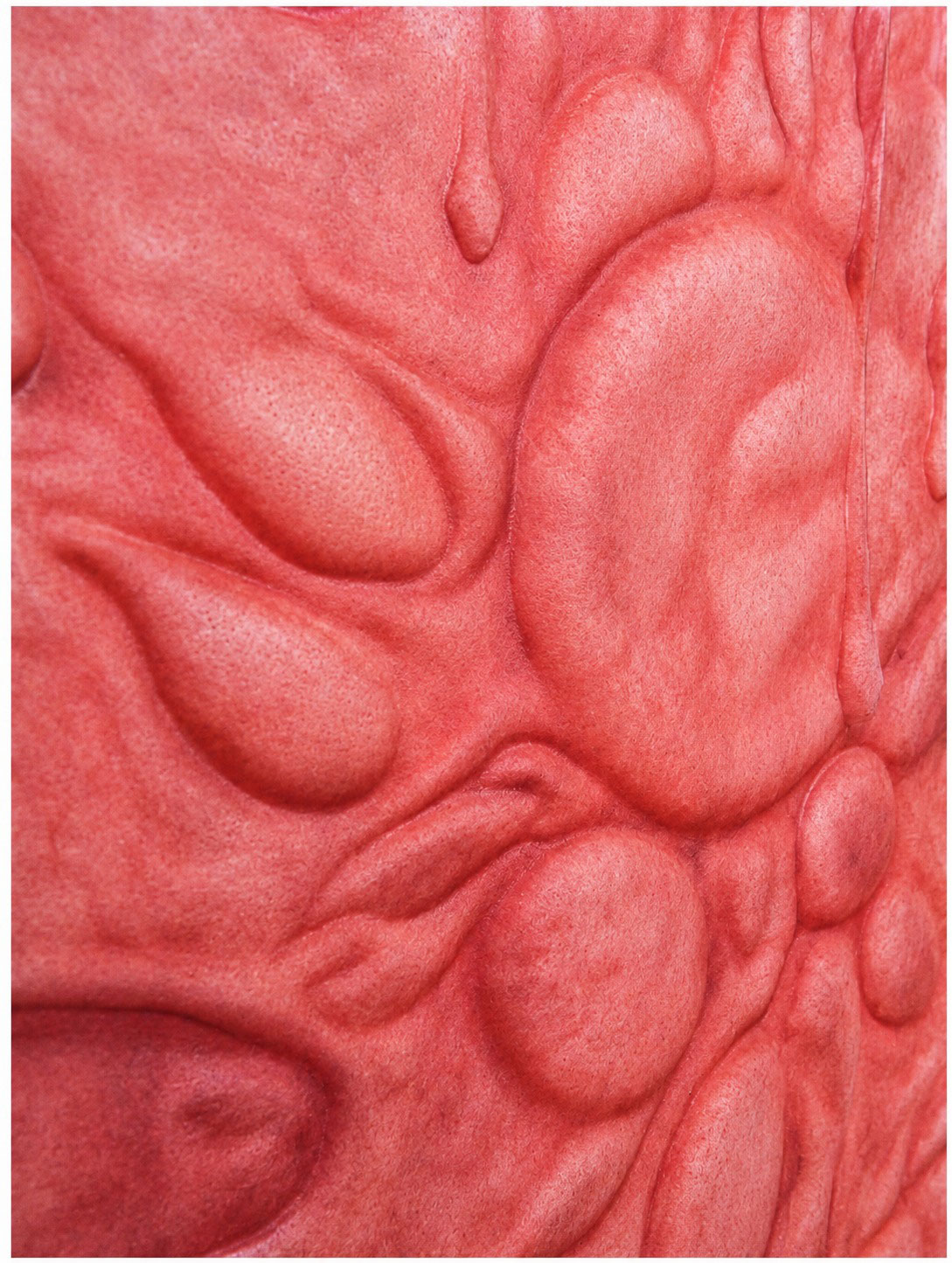
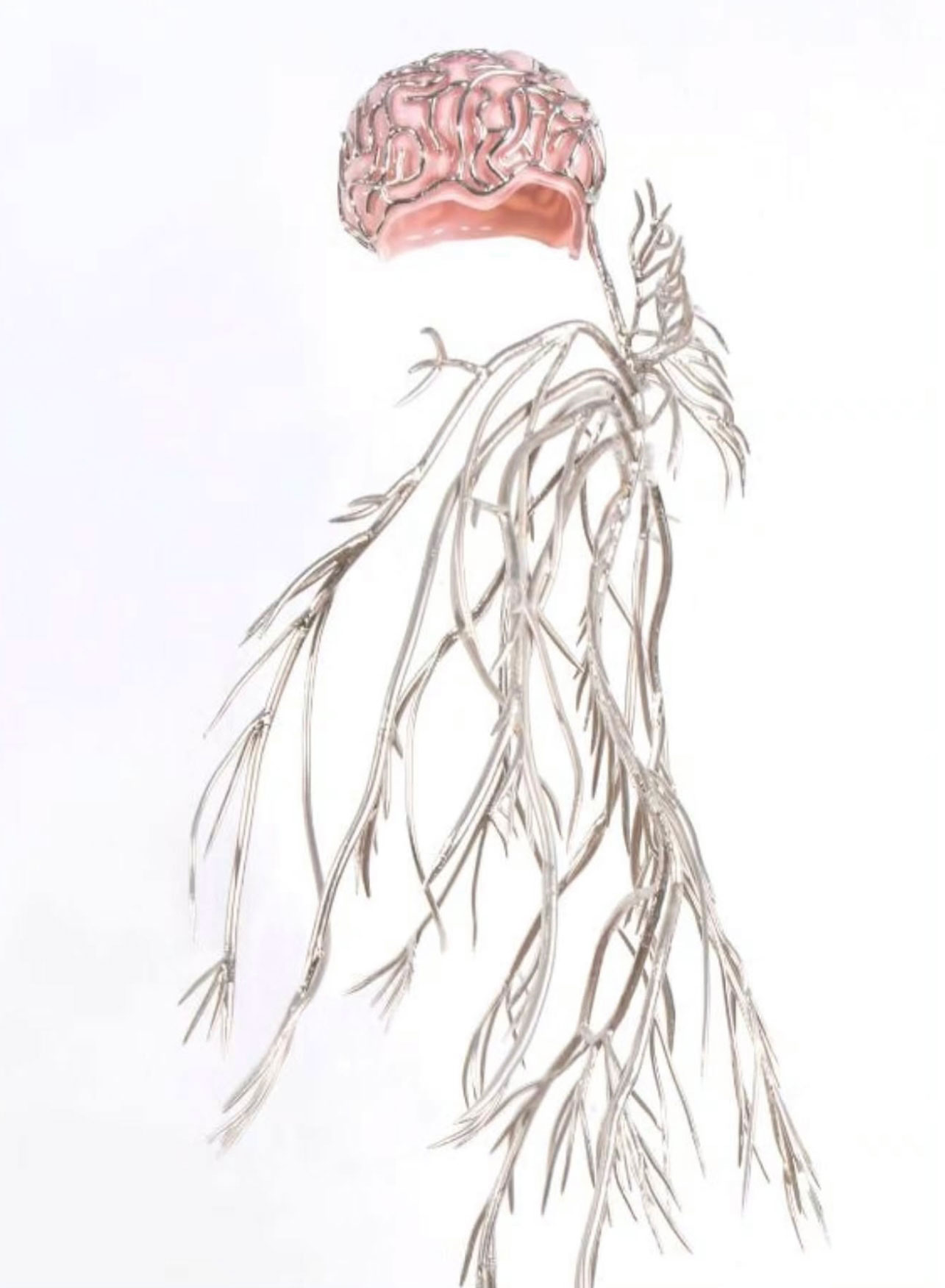
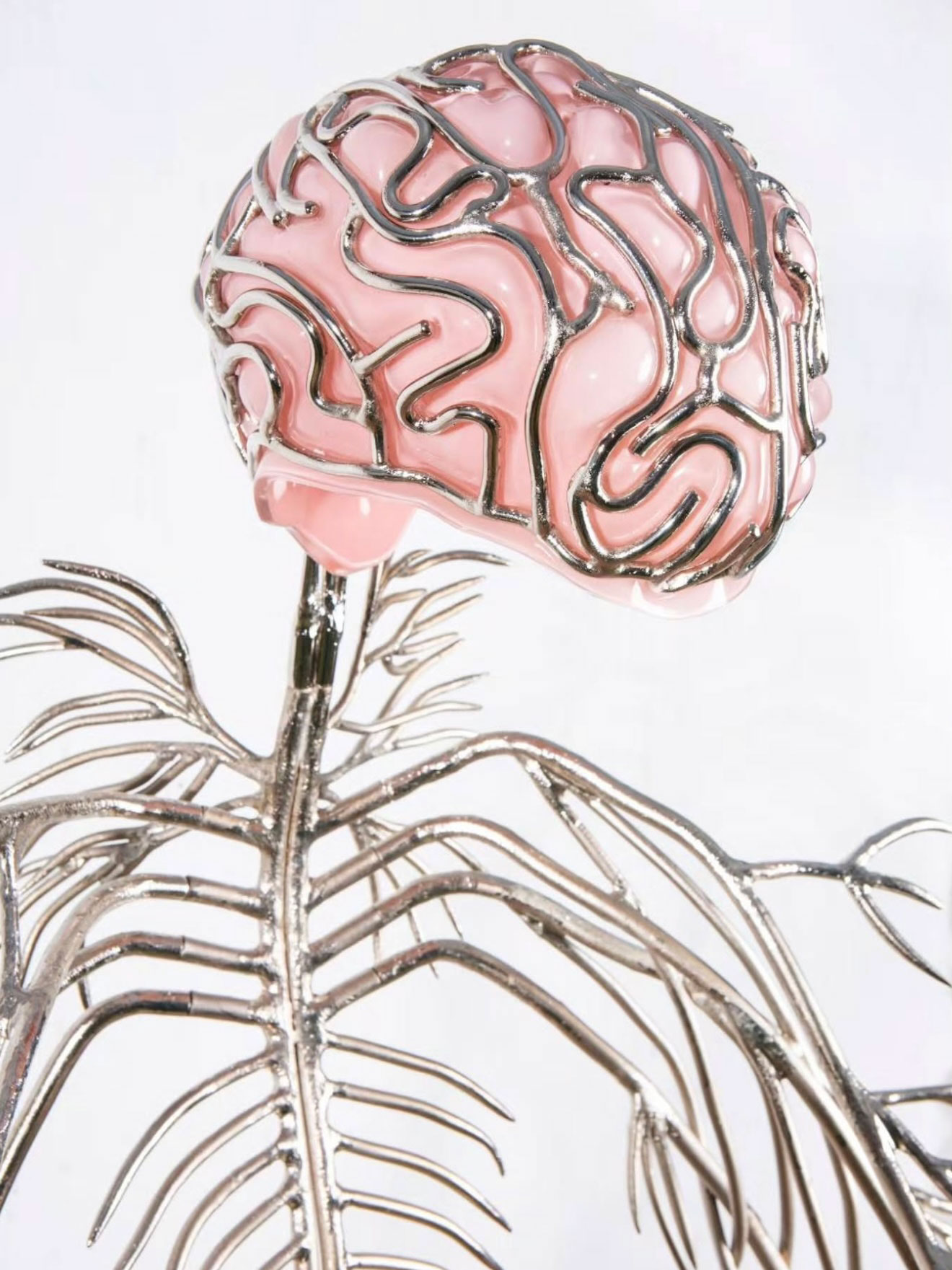
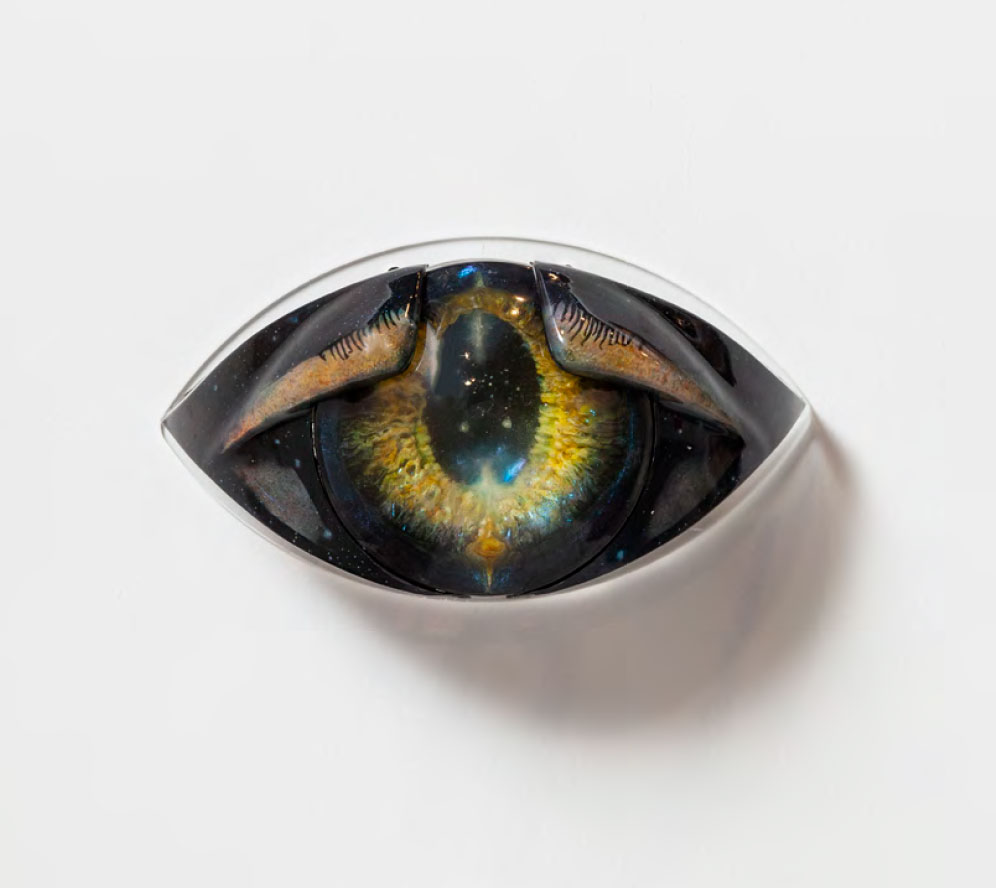
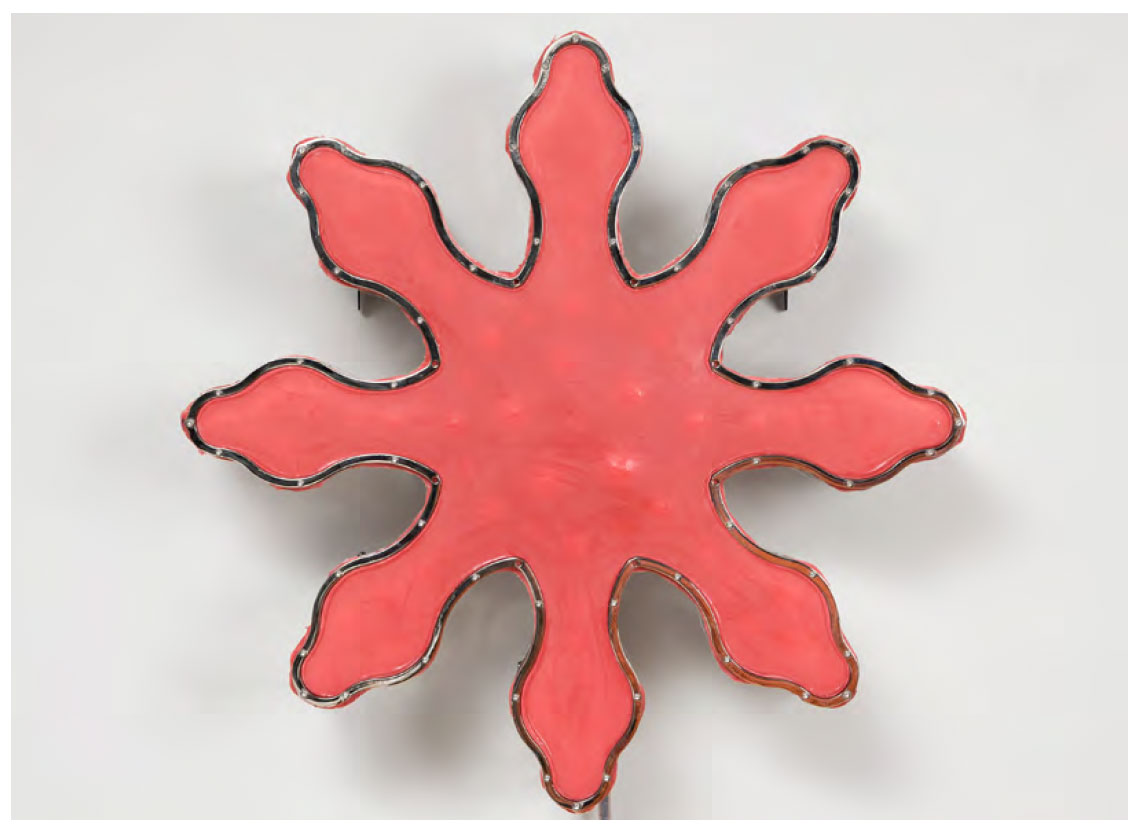
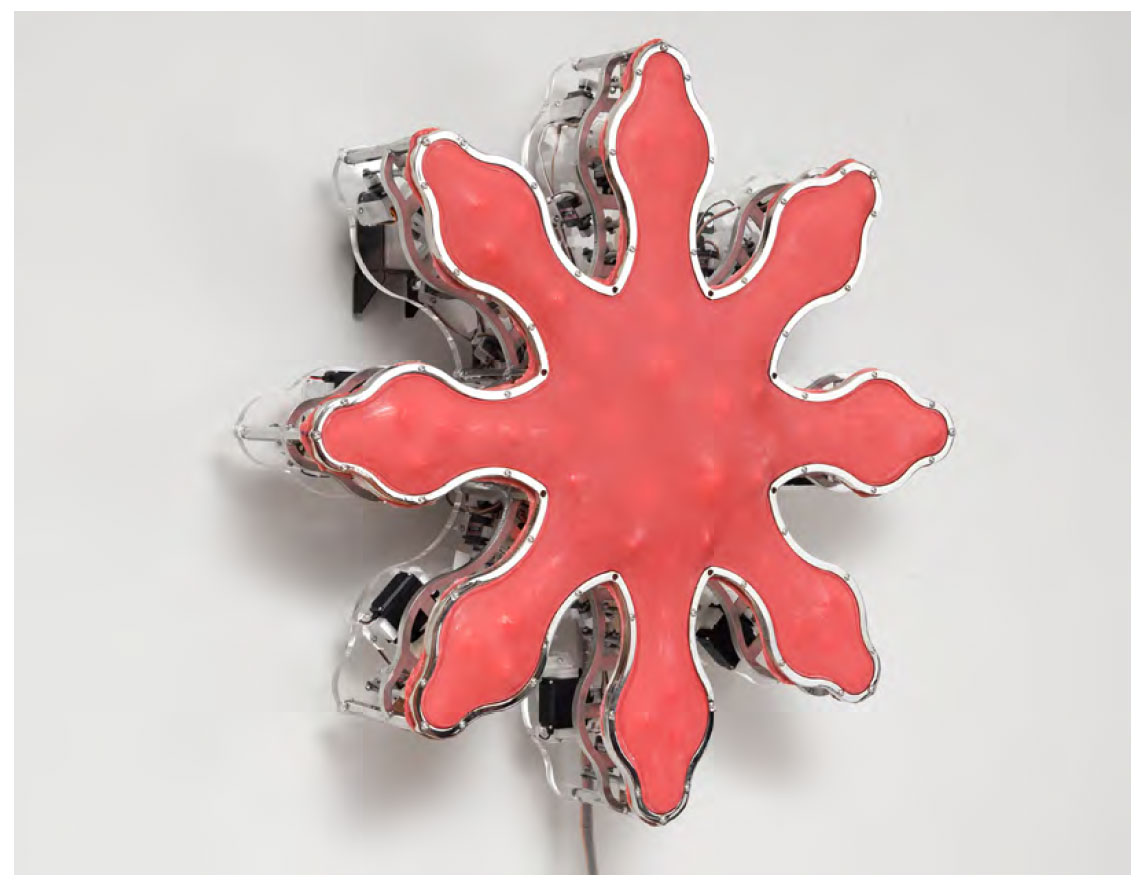
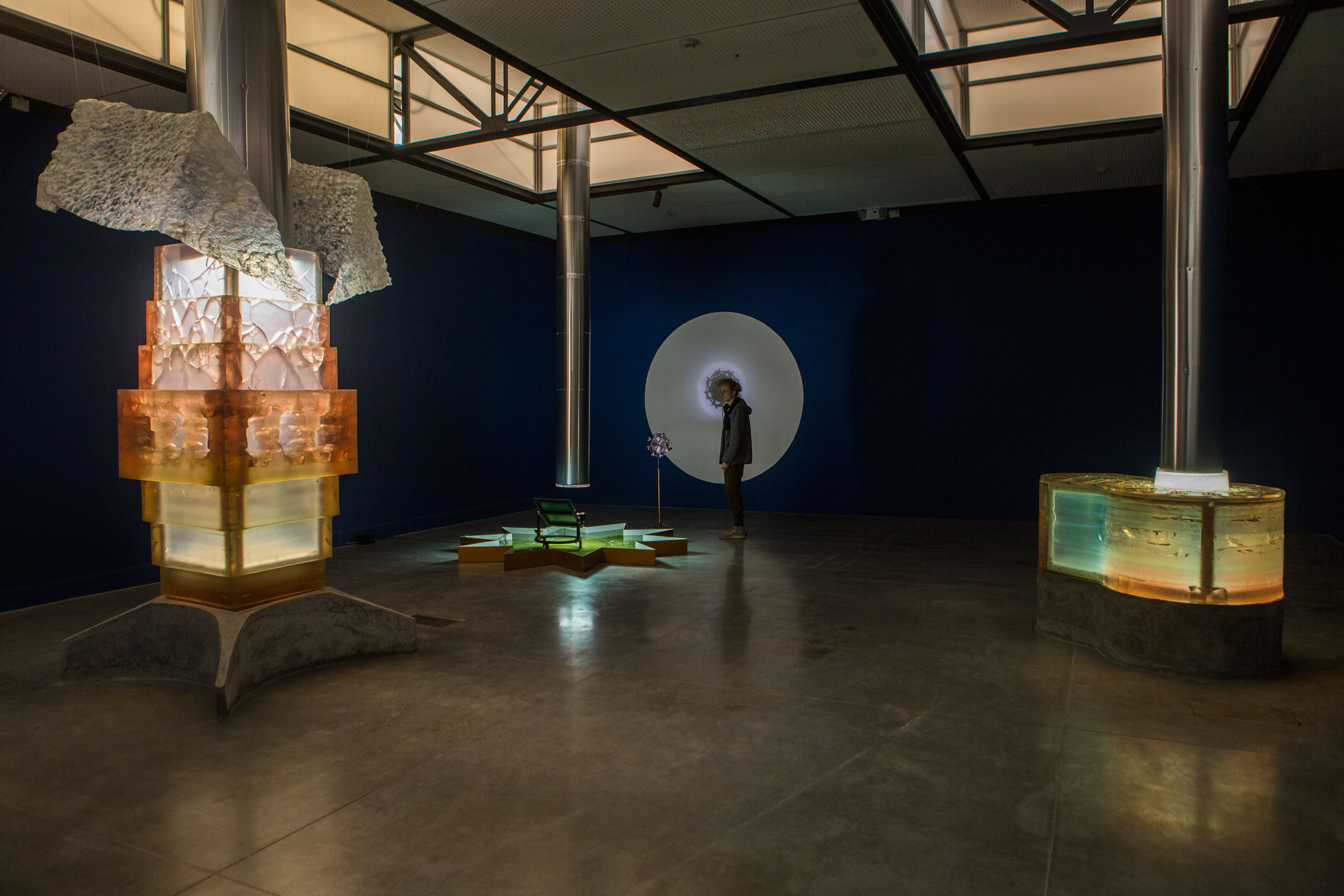
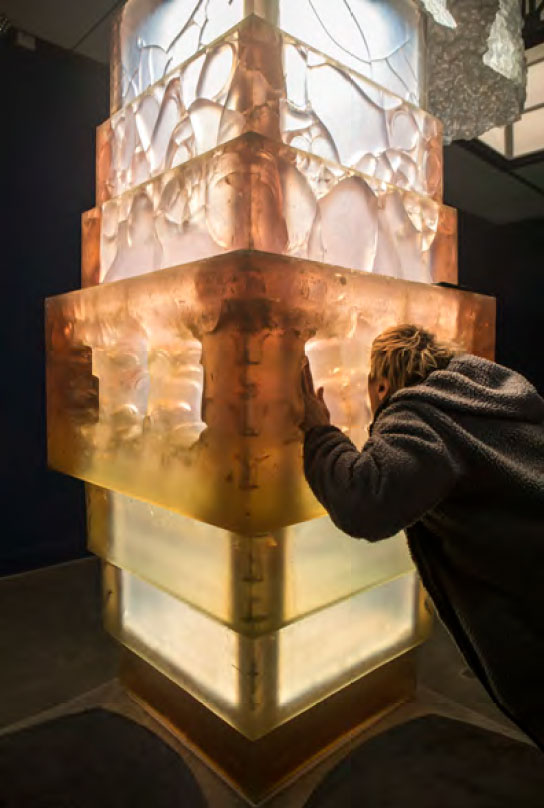
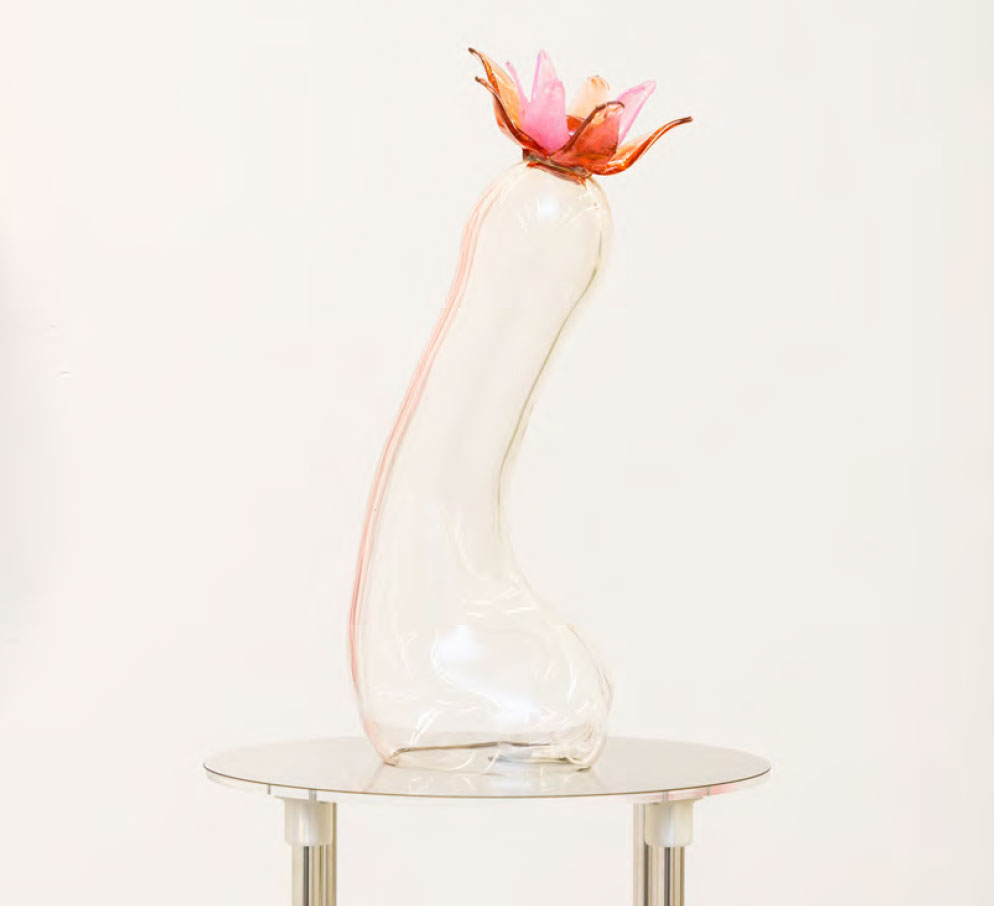
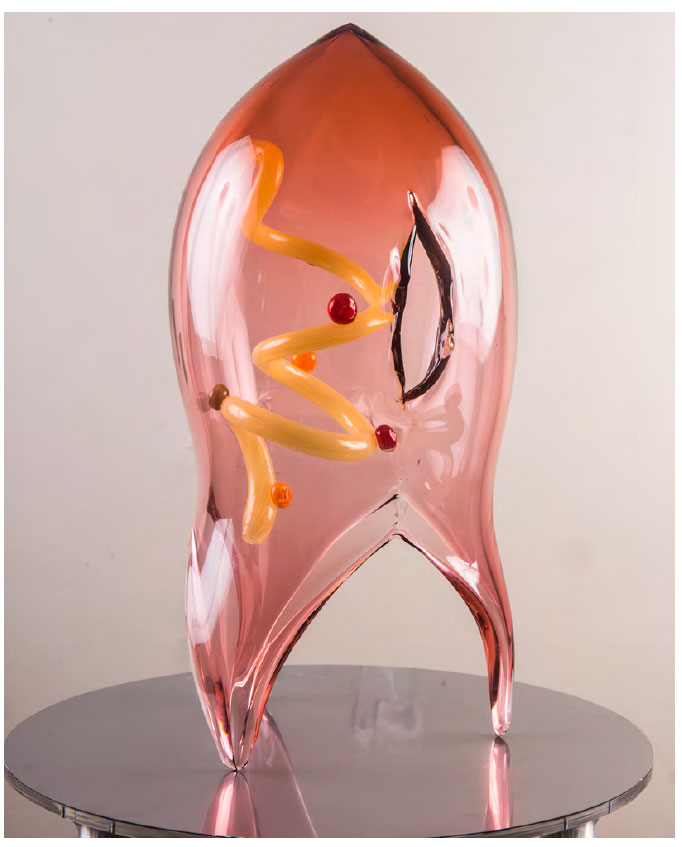
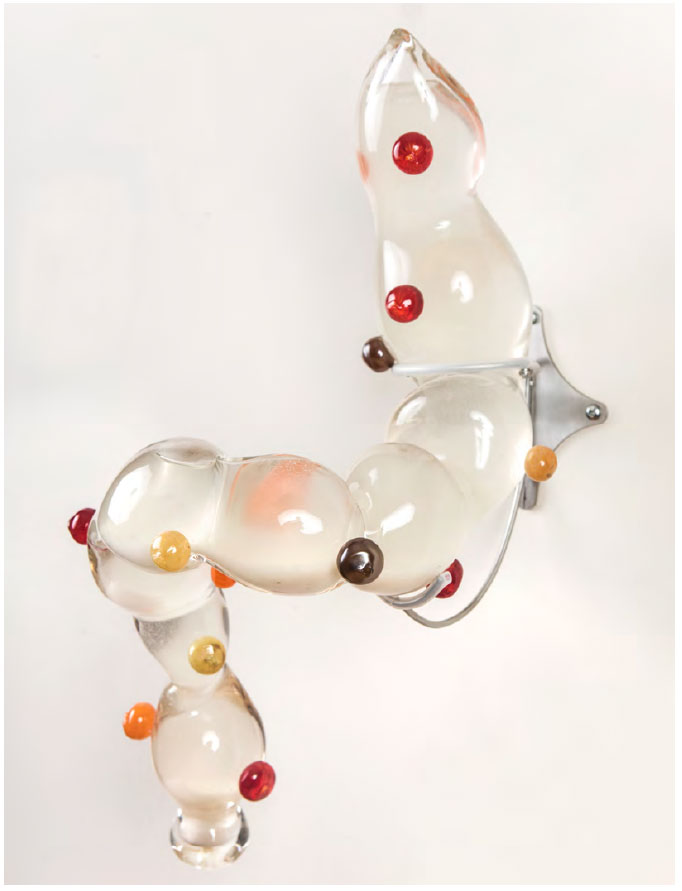
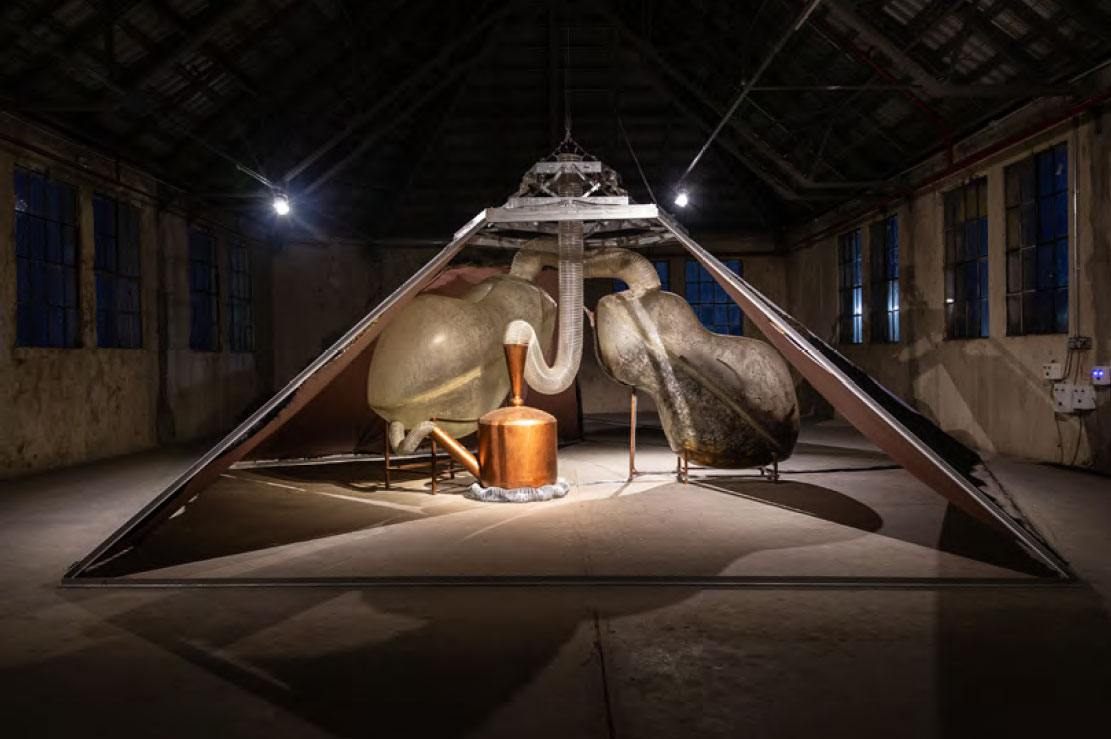
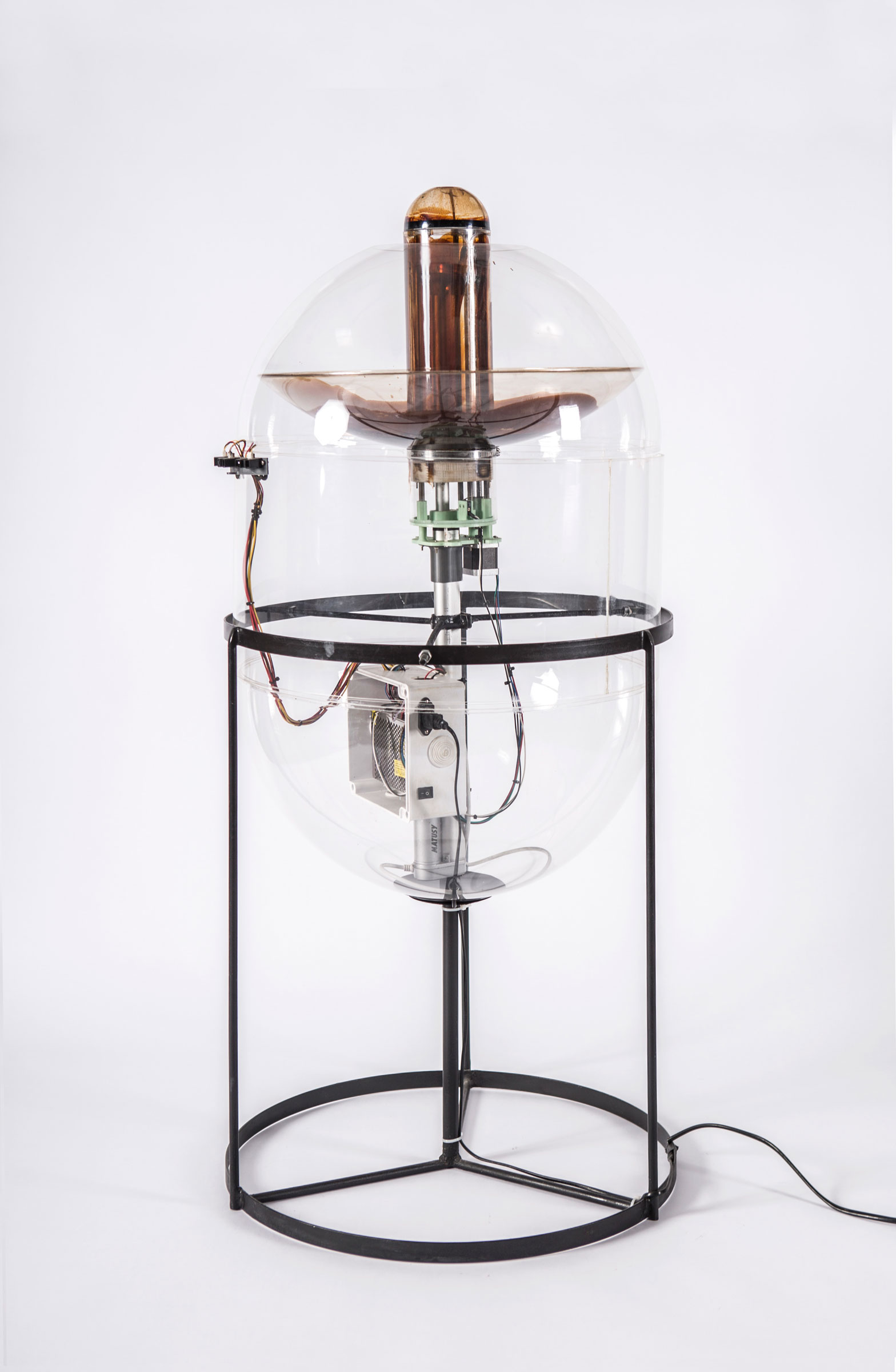
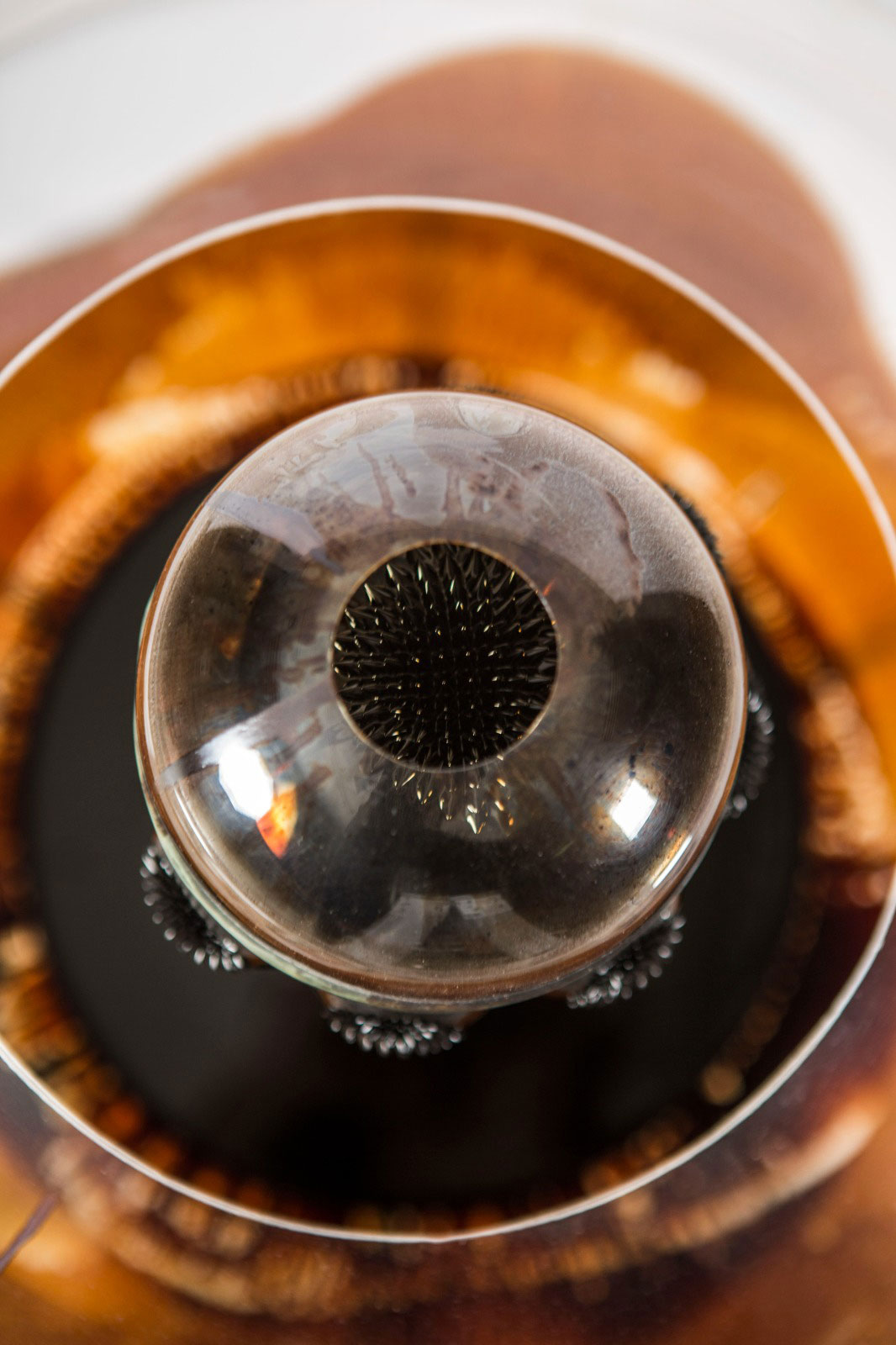
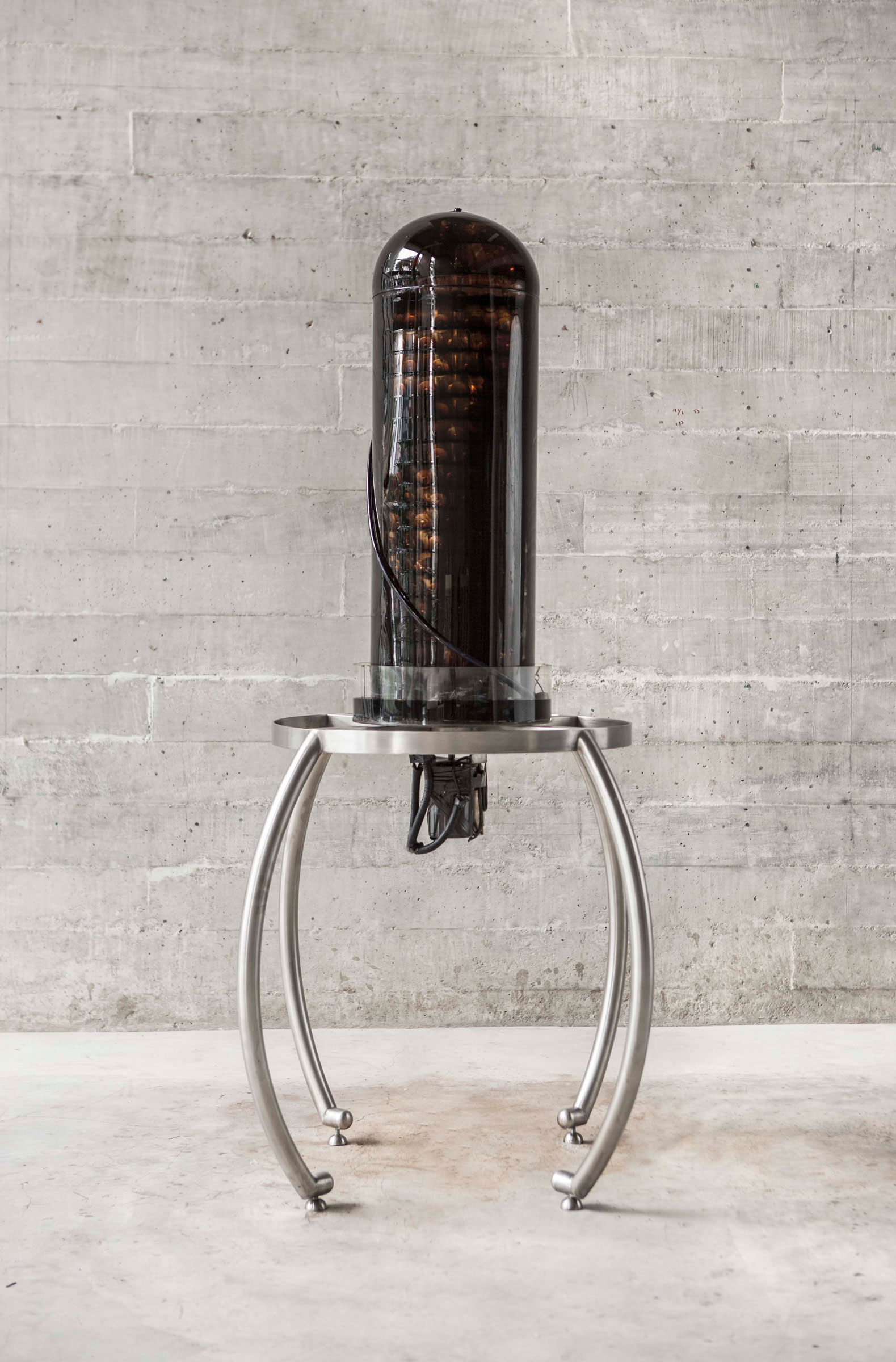
Zela-Koort moves fluidly across media, working with sculpture, ceramics, expanded painting, and interactive installations that fuse organic and computational aesthetics. These hybrid environments reveal the intimate relationship between the body and the systems of knowledge it produces.
Central to the artist’s research is what Zela-Koort describes as an investigation into “Queer Metaphysics”—an attempt to construct alternative bodies of knowledge that recognize the indivisible unity between observer and observed. As a queer artist living with chronic illness, their practice reflects on the political instrumentalization of essentialist discourses and the narratives through which nature is interpreted and controlled.
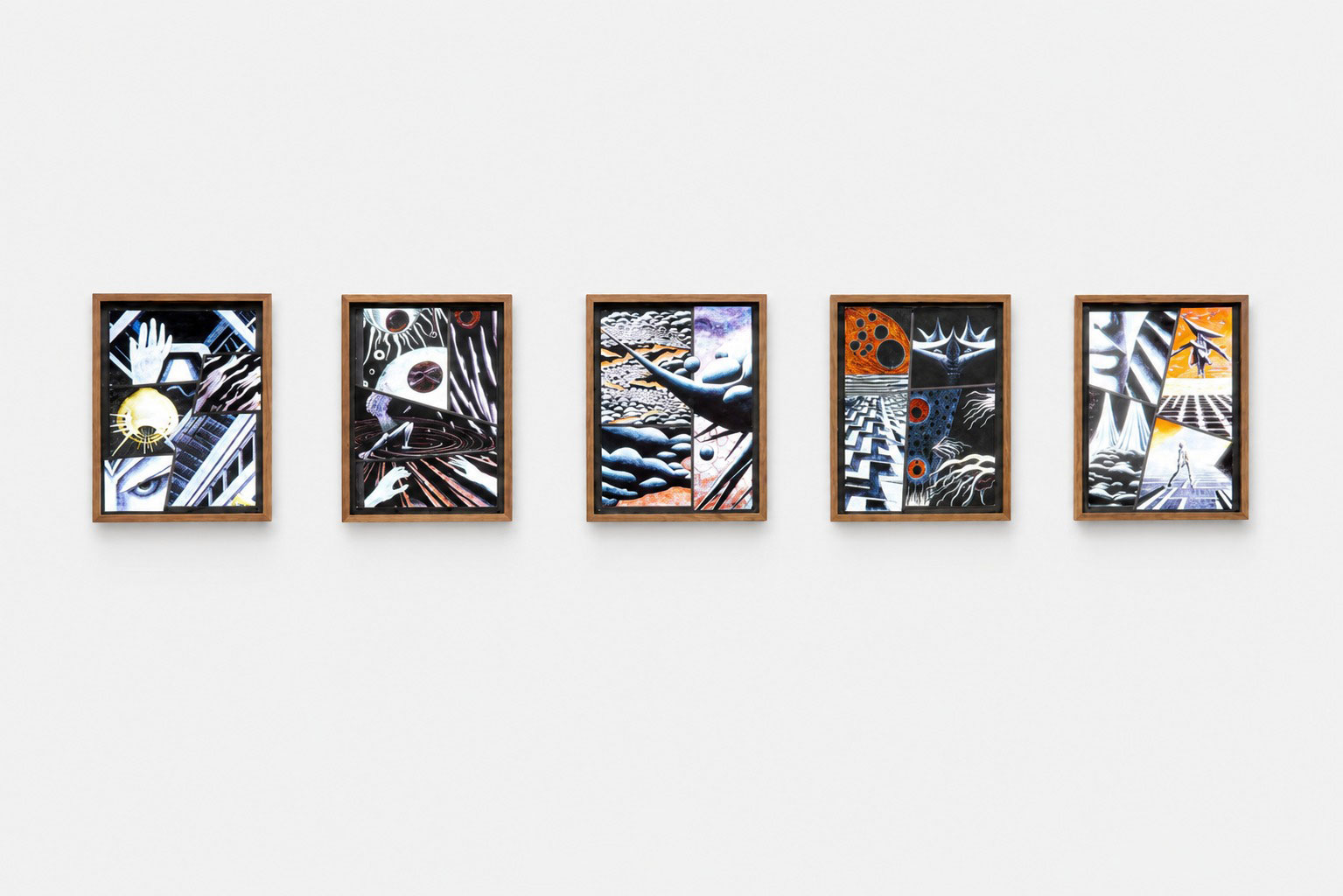
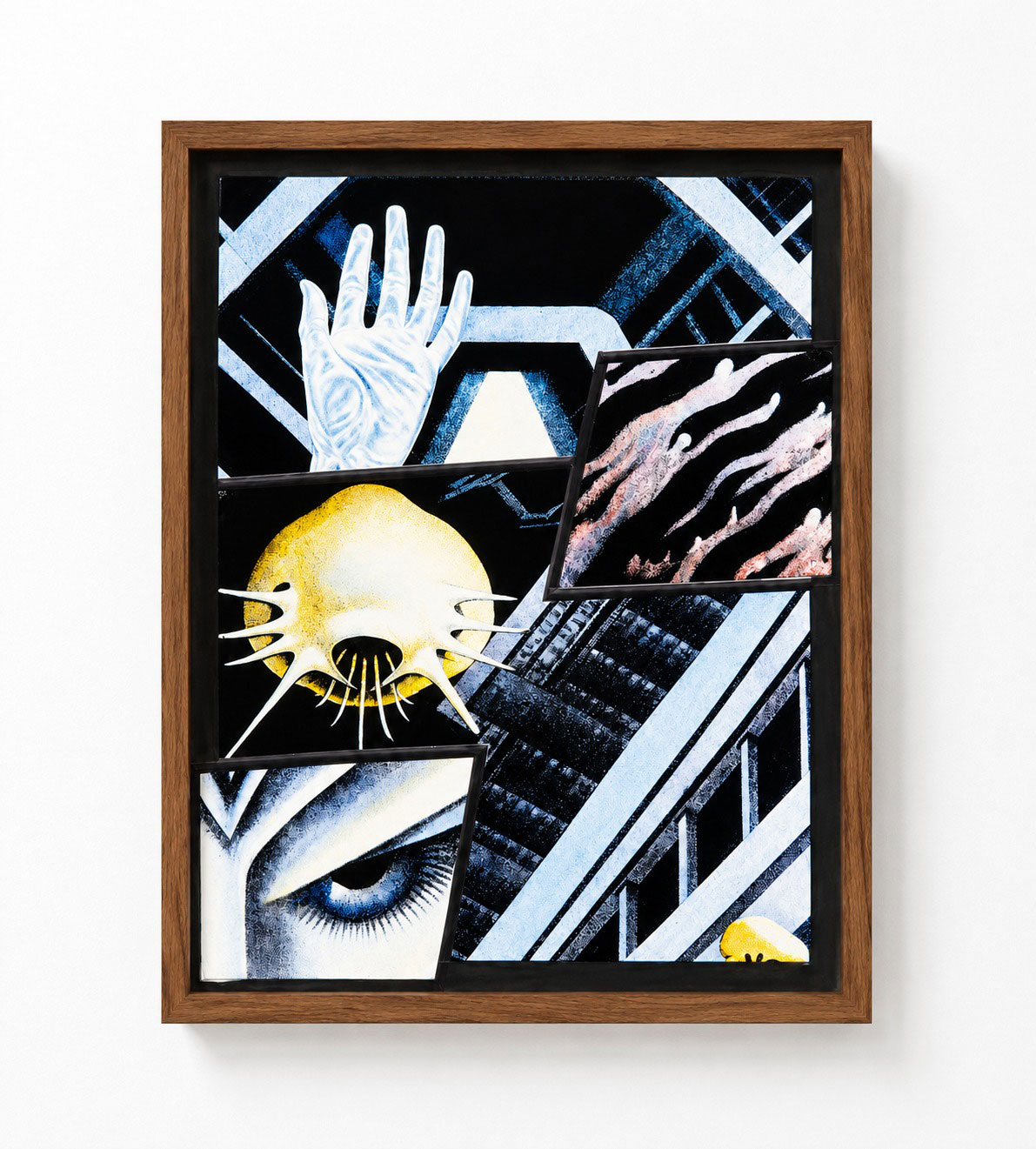
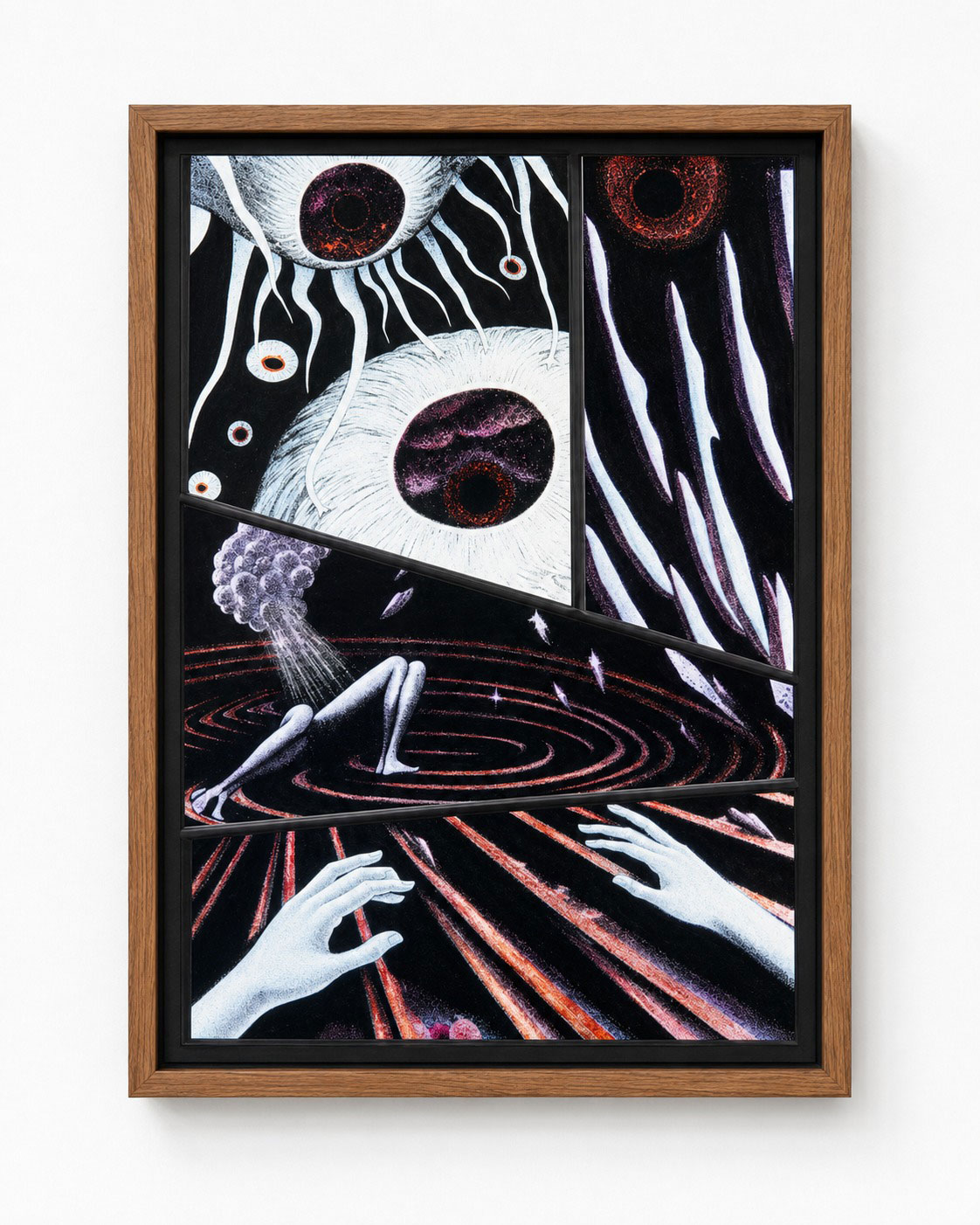
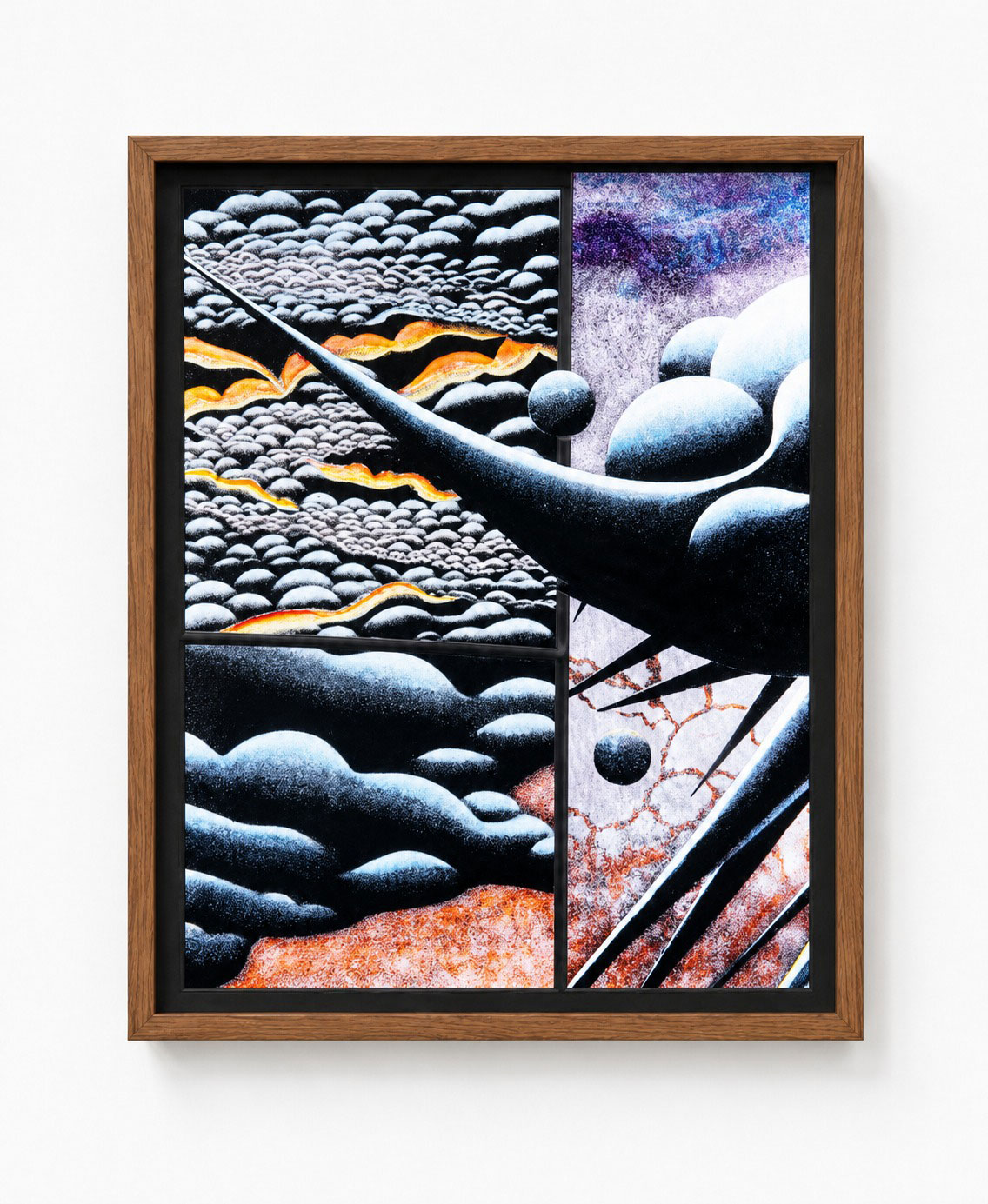
Consequently, Zela-Koort’s work frequently engages with concepts such as desire, virality, symbiosis, and transformation. Visually, this manifests through pictorial or machinic assemblages composed of industrial, biological, and ritualistic elements, where ambiguity operates as a generative condition that invites the viewer’s speculation.
Drawing from anecdotal, academic, and popular references, the artist approaches art as a bridge between the personal and the collective, producing speculative structures that challenge inherited systems of knowledge while imagining alternative forms of relationality.